Tuesday, January 31, 2023

Vengeance Of My Youth's Arcadia


Sure. Have a pummeled kid look up mid-thrashing, exclaim “Captain Harlock!” and let the audience figure out that guy from the wanted poster earlier, with the eyepatch and the skull-and-crossbones suit, that guy is probably a space pirate. That’s how Captain Harlock debuts in 1979’s Galaxy Express 999 film, a walking bit of iconography at home among the movie’s space trains and cosmic frontier towns.

Three years later, Captain Harlock would get his own feature film in Toei’s Arcadia Of My Youth. Appearing at the tail end of a space-opera fad, Arcadia puts Leiji Matsumoto’s most iconic character front and center, gambling his charisma is enough to carry a picture without advance public-relations buildup from any juvenile galaxy-train passengers. Here’s everything in one package, how Harlock became a cosmic corsair and where his space battleship Arcadia came from, in a film filled with romance, tragedy and conflict, and yet ultimately, weirdly, confusedly unsatisfying on first watch. At least, that’s how it was for me. 


 Sure, no movie’s gonna live up to the anticipation we had for Arcadia. “We,” of course, being the anime nerd crew I hung with in the early days of Reagan’s second administration. Warped by afternoon syndication of Star Blazers, we sniffed out Roman Albums and “Special Mooks” at local comic shops and comic cons. “Animation Comics” taught us about someone named Captain Harlock, his name regularly spelled out in English. Was he a space pirate? Looking like that, he’d better be.
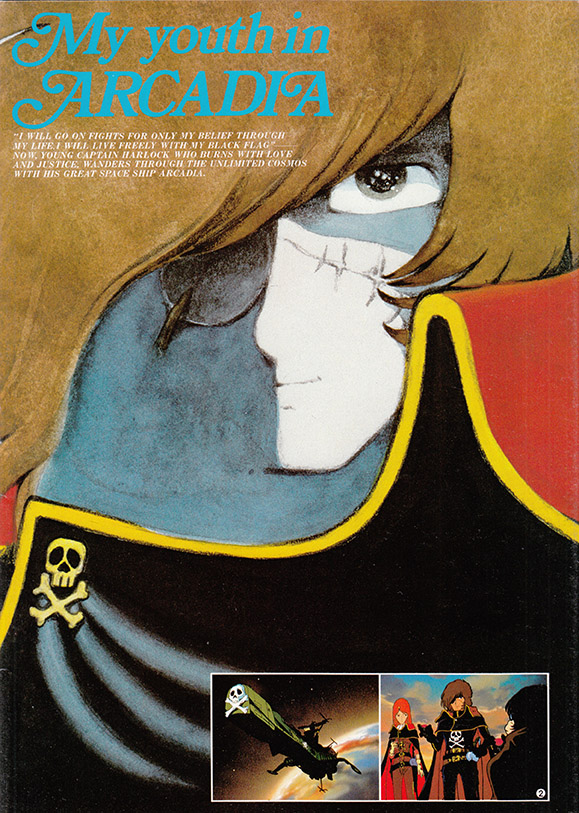


We had definite Harlock expectations, mussed slightly by the whimsy of the nascent home video industry, which would bring us New World’s Galaxy Express dub with a renamed, celebrity-soundalike Harlock and the two ZIV International VHS releases of selected episodes of the 78 Harlock series. ZIV’s localizations, stonily accurate or wildly nonsensical, were bookended with a theme song that exhorted us to “Take to the sky!” And when Harmony Gold stitched that entire ‘78 series together with 1981’s Queen Millennia to create the “Captain Harlock And The Queen Of 1000 Years” teleseries, the retooling was an entirely different, comically inferior experience. Our gang wanted to see the REAL Captain Harlock, and to us that meant Arcadia Of My Youth, the film that shows us how Captain Harlock met spaceship engineer Tochiro Oyama and enigmatic female space-freebooter Emeraldas, and how they all became outlaws flying freely through the immensity of space.

By the time Celebrity Home Video released a package of edited, dubbed Japanese anime features that included Cyborg 009 Legend Of The Super Galaxy, Locke The Superman, and Arcadia Of My Youth as “Vengeance Of The Space Pirate,” our local crew had a few years of tape swapping and video-room programming under its belt. We’d seen the Macross movie and Project A-Ko and the rest of that period’s shiny, high-tech productions, filled with cute girls and expanding transformable robots. Might we have grown past Arcadia without even realizing it? But there Arcadia was, at a MRSP eight times the minimum hourly wage. Our dream movie was finally in our hands, sadly complete with lackluster dubbing and clumsy edits, one more piece of Bad American Dubbing, another obstacle on our path to True Arcadia Satisfaction.

Arcadia's previous American VHS releases


The 1990s rolled around and anime found itself embraced by a home video market hungry to fill Suncoast and Mediaplay shelves. That’s when pioneering American localizer AnimEigo released Arcadia Of My Youth, uncut and subtitled in English. Here it was, the full film without edits or bad dubbing, available at Blockbuster or at your local anime con. Here’s that Captain Harlock movie in the form you’ve been demanding, surely this satisfy your Harlock needs, right? This SHOULD be your favorite movie ever. And it... still wasn’t. Kind of a letdown. Was it too slow? Too long? Dependent upon a vast scope and a widescreen spectacle that 1990s VHS and tube televisions simply could not deliver? Maybe… maybe that last part.

Let’s skip a few decades, to when Discotek Media delivers a beautiful Blu-Ray of the film, matched with their release of Arcadia’s TV sequel Endless Orbit SSX. North American viewers- that’s me- could maybe, finally, mercifully get past that Celebrity hack’n’slash job and AnimEigo’s well-intended but slightly hazy release. This high-def version of Arcadia appeared on various streaming platforms, potentially into every internet-enabled home, at a point where North American anime culture has been prepped by English-language releases of the 1978 Harlock series, the Galaxy Express 999 films, and Leiji Matsumoto’s ‘70s Harlock manga. In other words, American audiences- again, that’s me- could watch Arcadia and be closer than ever to the film’s original context, freed from the murky expectations built up by fanzine synopses, Roman Albums, and fuzzy, badly dubbed VHS. How does this Arcadia feel now? Short answer: this movie finally works.


Let’s start with the film’s title itself. The legitimacy of a claimed a Goethe quote is largely dependent upon there being very little crossover between Goethe fans and anime nerds. More prosaically, Arcadia Of My Youth recalls “Marianne Of My Youth,” a 1955 French/German film starring Horst “the German James Dean” Buchholz as a Bavarian boarding school student who falls in love with a mysterious girl played by Heimatfilm star Marianne Hold. Hold would inspire Leiji Matsumoto’s Maetel, as well as songs by Japanese avant-garde rockers Jacks and power balladeers THE ALFEE.

Arcadia the film avoids Harlock’s previous anime iterations, instead building out from two of Leiji Matsumoto’s mid-1970s “Battlefield Manga” stories. The job of bringing all this into the thirtieth century fell to Arcadia screenplay author Yooichi Onaka, who seems to have done a little TV writing and two Arcadia novelizations. Battlefield’s “Stanley’s Witch” becomes the basis for Arcadia’s pre-credits scene starring our hero’s early 20th century ancestor Phantom F. Harlock, voiced here in his final role by actor Yujiro Ishihara, brother of ultranationalist Tokyo governor Shintaro Ishihara. Flying his “Arcadia” tagged biplane, Phantom F. pits his life against the challenge of crossing the Owen Stanley mountains in New Guinea, unwilling to give up his dream even if it costs him everything.


As Arcadia Of My Youth’s credits roll we find ourselves back to the future, where Pacific War comparisons move from subtext to text as our home planet surrenders to hegemonic galaxy invaders the Illumidas, whose greenish skintone splits the difference between that of Yamato enemies Gamilas and the Comet Empire. Any comparisons between the Illumidas occupation of Earth and the American occupation of Japan are purely coincidental on purpose, you understand.

Amidst Earth’s collapse, Solar Federation captain Harlock tries and fails to run the alien-invasion blockade and is forced back to Earth with a cargo of refugee passengers. His command and career are kaput, and he can’t even hang out with his willowy blonde girlfriend Maya because she’s deep undercover DJ’ing clandestine Earth resistance radio. There’s nothing for Harlock but to join the rest of the hungry Earthman masses struggling to find a meal in the ruins. This is where he meets fellow former Federation officer, genius engineer and future best friend Tochiro Oyama, during a silly bar fight that supplies most of the film’s comic relief.


The Illumidas policy is to recruit conquered citizens and exploit them for police-state grunt work. This means there aren’t any hard feelings when officer Zoll of defeated planet Tokarga arrests our heroes and Illumidas brain-machines investigate both their genetic structures; Zoll is just following orders. This brings us to our second “Battlefield” excerpt, a lengthy memory-flashback starring Harlock and Tochiro’s ancestors, who met each other during WWII in an attempt to flee to an episode of Heidi, Girl Of The Alps (Zuiyo Eizo, 1974). Back in the 30th century, we find the conquered Earth military is managed by sneering traitor Triter. Earth’s forces are offered a devil’s bargain of preferential treatment if they will prove their loyalty to Illumidas by crushing previous Illumidas subjects the Tokargans. Will Harlock captain that mission? He will not. He’s got his pride, and anyway, he’s got to stick around Earth for the sake of Maya’s radio career.
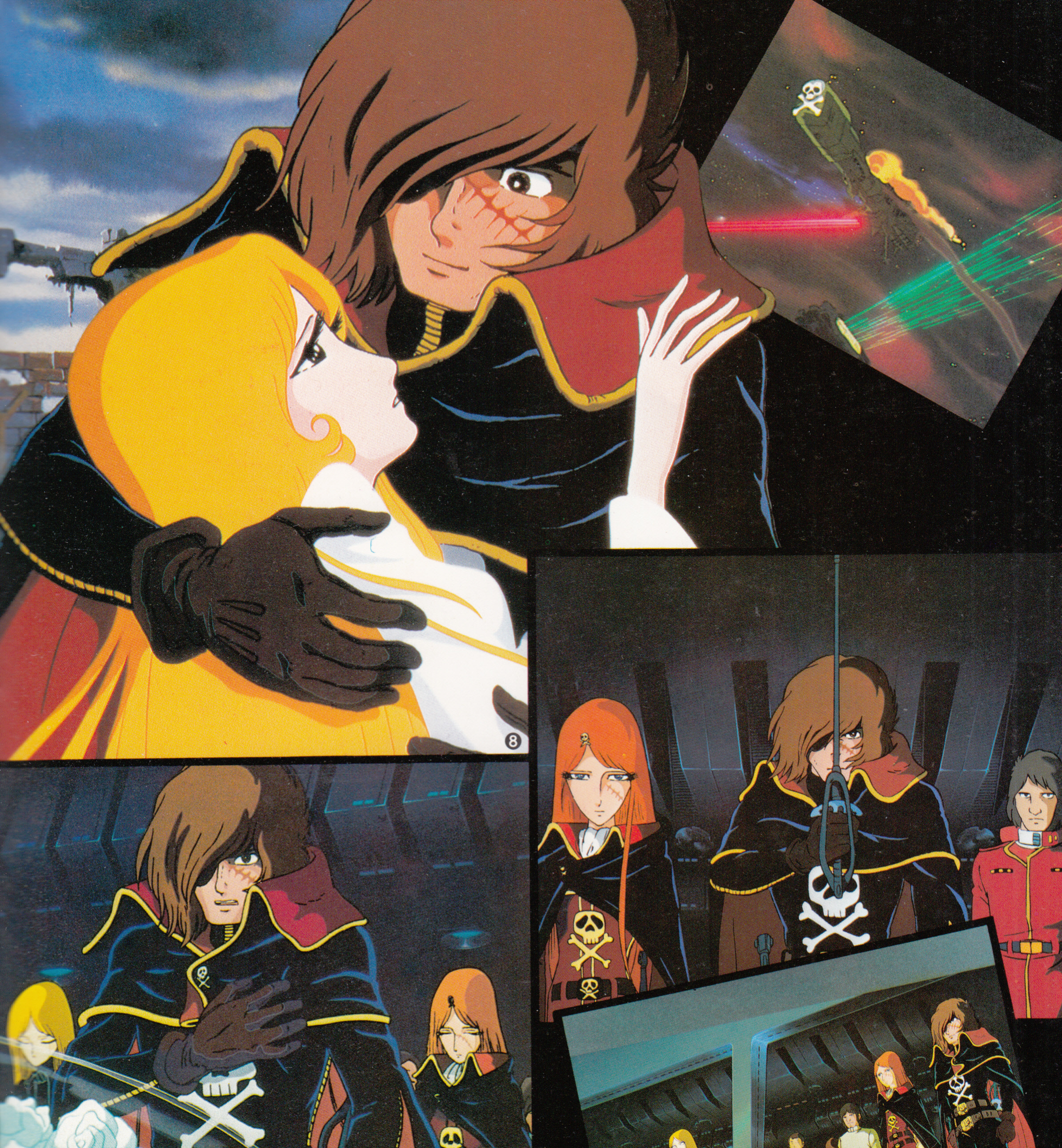

Maya’s morale-lifting broadcasts are ostensibly for all Earth, but get real; she’s passively-aggressively speaking just to Harlock. Before the two wise up and start talking privately, the Illumidas Communications Commission raids her broadcast studio. Harlock gets caught in the crossfire and well, let’s just say the film has leveled-up in its quest to show us Harlock’s origin.


Confiding in his newly one-eyed bestie, Tochiro reveals he’s secretly built a giant space battleship. Would Harlock like to be its captain so they can ditch this square world and blast off for kicksville? Boy, would he. But first Tochiro finds himself entranced by recent arrival Emeraldas, the free space trader whose giant spaceship has been damaged trying to make it through the Flame Stream Prominence, a dangerous stellar phenomenon dubbed the “Owen Stanley Witch Of Space.” I wonder if our heroes will challenge it later?


This assemblage of main characters is interrupted by La Miimay- not the blue-haired Miimay from the ‘78 show, but an incredible blonde simulation- who’s overheard big news during her secretarial job in Illumidas HQ. The command’s going out to demolish Tokarga. The entire planet is condemned.


Zoll and the Tokargans want to commandeer Tochiro’s spaceship and return to protect their home, but Tochiro knows you shouldn’t loan money, books, VHS tapes, or starships. Instead, Tochiro and Harlock will fly to Tokarga while Zoll and Earth resistance fighters do what they can to protect the Earth. That means we’re about an hour into the film before we finally meet our real star, the Arcadia. Erupting from its underground cavern helpfully built beneath what used to be the Solar Federation’s headquarters, we’re both amazed at the impressive scenario and curious as to how Tochiro intended to launch this thing if the bad guys hadn’t conquered the Earth.

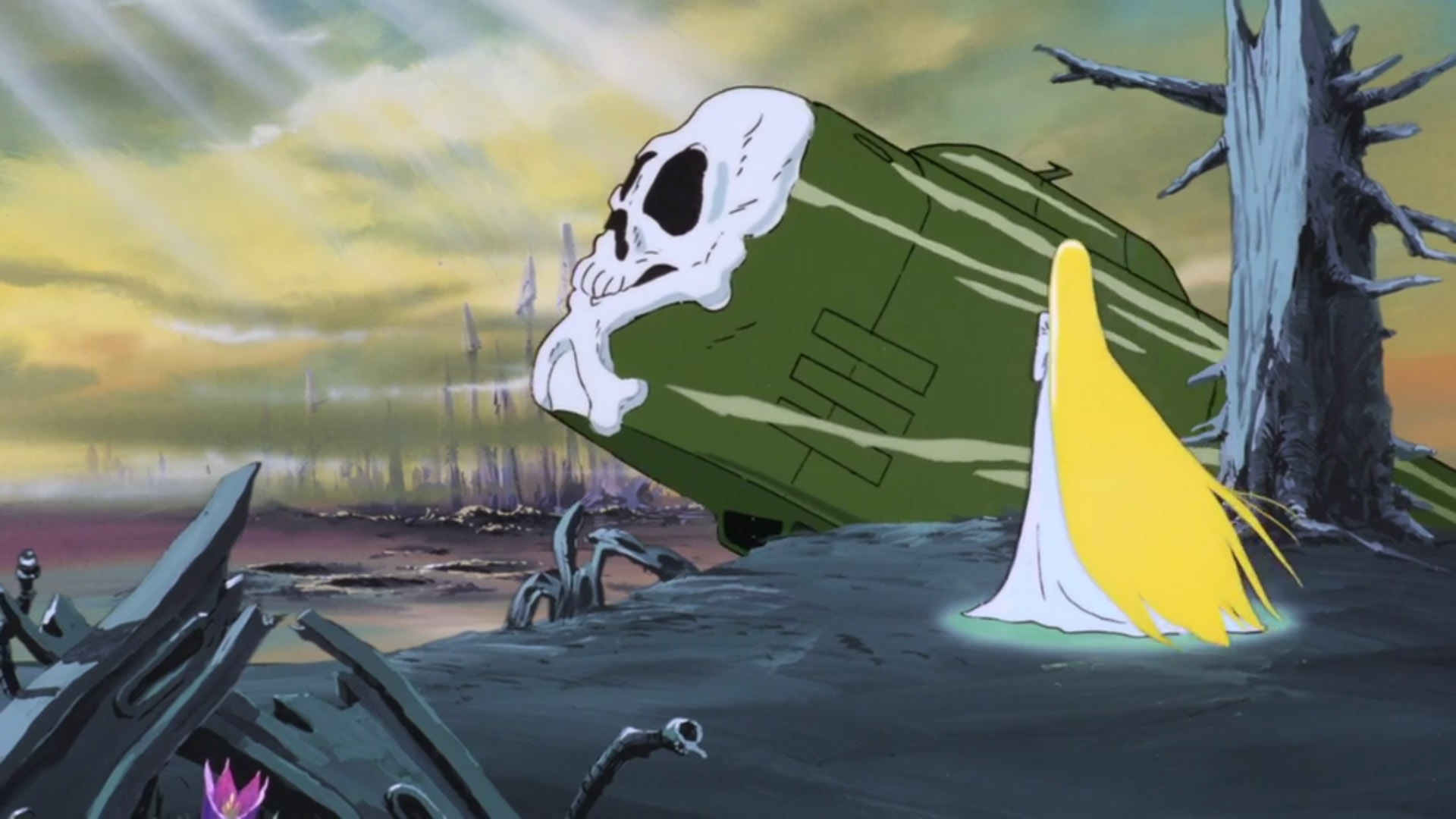


Rescued from an Illumidas firing squad, Emeraldas receives her iconic scar (check another box, film) and Maya is also wounded, earning the full-on “Love Story” treatment, becoming more beautifully radiant the sicker she gets.

Arcadia the film sends Arcadia the ship through outer space and to a ruined Tokarga, now inhabited by corpses and Illumidas death-robots, overdue for annihilation. Rescuing a few stricken survivors and Harlock standby Mr. Bird, the Arcadia must challenge the Flame Stream Prominence to return to Earth, defying the peculiar life-energy attraction force these stars generate. Sure, that’s a strange quality to develop in a celestial object that by its very nature is inimical to all forms of life in the first place, but before we can question yet another illogical thing in this space pirate origin movie, a heroic sacrifice gets our heroes through this crisis. 


Harlock and the Arcadia return to Earth to mourn their dead, and right away blast off again for the film’s climactic final battle, where Arcadia comes closest to its thematic template– not the WWII-In-Outer-Space of Yamato, but the Hollywood pirate flicks of the 1930s and 1940s, in which enormous Age Of Sail ships of the line would blast broadsides at each other, until eventually our hero, a once-respected noble forced into piracy by cruel happenstance, would swing over the rigging and duel the enemy hand to hand. That’s how Arcadia Of My Youth ends, half an hour of whooshing space noises and staccato commands, laser blasts, gravity-warping explosions and swashbuckling extravehicular boarding, culminating in a cosmic burial-at-sea and a Captain Harlock finally fully equipped with goth fashion, iconic spaceship, and a helpful supporting cast, prepared at last to roam freely through the expanses of space, fine, nobody’s stopping you, go do it already.

Fandom writing about Harlock and AOMY from the 80s


Rising above Arcadia’s 130 minute haze is the character design and animation direction by the great Kazuo Komatsubara, the man behind the ‘78 Harlock series and a ton of other successes from super robots to magical girls. However, here K. Kazuo’s work isn’t lively enough to offset the film’s overwhelming lassitude. The direction by Tomoharu Katsumata is competent enough, with rare moments of quiet beauty, but he’s content to film great chunks of action in long shots, to frame gigantic space battleships in the middle distance without giving us a sense of size or mass, to pan across still shots of characters standing still. Compared to the nervous, organic motion of Rintaro’s Galaxy Express or to his reality-warping, electronic-music-soundtracked sequel Adieu, Arcadia’s risk-averse cinematography seems even tamer. The same year as Arcadia Katsumata also lensed the less-than-sizzling feature Future War 198X, and in 1985 he’d helm the legendarily tiresome Odin: Photon Sailer Starlight, another outer space non-actioner. Like an expensive sports car minus an engine, Arcadia Of My Youth doesn’t really go anywhere fast, but looks great doing it. 

My Ruler In Arcadia


It’s certainly not the film we were promised in the trailer, which in the best Hollywood tradition is made up largely of footage not seen in the actual film. The preview delivers spectacular spine-jarring footage of the Arcadia blasting its main cannons, shock obliterating the frame for seconds, smoke and dust and cosmic detritus swirling in the vacuum of space, whoops, this is footage lifted clean from 1979’s Galaxy Express. We see Harlock’s pal Zoll of Tokarga put a burst of unfriendly cosmo-gun energy right into Harlock’s eye, absolutely not how the film goes. The trailer’s soundtrack leans heavily on Dvorak’s New World Symphony, which can’t help but make the actual Arcadia’s Toshiyuki “Golgo 13: The Professional” Kimori soundtrack seem less than memorable and kind of a bait and switch on both the audience and Kimori.


As Arcadia Of My Youth ends with a purported Goethe quote, we’re left with more questions than are answered. Who are the Illumidas? Should their name actually be spelled “Ilumidus”? Why did they conquer Earth in the first place? Why bother conquering Tokarga years before, only to blow it up? If a film deliberately evokes the American occupation of Japan, can we speculate here that maybe the Earth deserved it? Did the Solar Federation’s astro-political mouth write some checks the Solar Federation’s astro-political ass couldn’t cash? How did Tochiro excavate a giant cavern, equip it with machinery, and construct a giant space battleship all by himself? What, exactly, is the relationship between Harlock and Maya? Are they brother and sister, are they dating, are they both, like in that Folger’s ad? Maybe he’s just an obsessed stalker, which would explain why she runs from him at one point. If they are actually a romantic couple, Arcadia needed to show us the pair walking in a meadow, laughing in slow motion, or shopping at Ikea. Any relationship signifier would do. A 130 minute film can give us Date Night Harlock along with Air Pioneer Harlock and Luftwaffe Ace Harlock. Except it can’t, because outside of the cockpit of an airplane or the bridge of a warship, Harlock doesn’t really exist. He doesn’t grow or change, there’s no Harlock character arc, he wasn’t turned into a grim specter of vengeance by outlaw bikers or sneering thugs or The System, Man, he was broody and stoic before this movie and he’ll be broody and stoic after it’s over, because being an eternal archetype means never having to evolve as a character.


That being said, I’ll admit I’m not being fair to Arcadia. This movie was released in 1982 to a Japanese audience that had already absorbed 42 episodes of a Captain Harlock TV series, two Galaxy Express films and a TV series featuring Harlock as a supporting character. The Japanese crowds watching AOMY didn’t NEED to know who Harlock was, or why, where and when, or convincing rationales for invading aliens and their whimsical planet-exploding foreign policies. They accept the film and its heroes for what they are; archetypes moving on a fixed course, past the background scenery of galactic empires, through narratives as unchangeable as any samurai epic, rubber-suit kaiju eiga, or gangster thriller. This is a film about a space pirate with a skull-festooned space battleship, created by Leiji Matsumoto, who’s made a career out of nostalgia-infused, iconic-character science fiction. Adjust expectations accordingly.

My dissatisfaction with the “Vengeance” release is not as qualified. The dub is mediocre; villains attempt bluster or smarm, heroes are quietly heroic, and some voice work, especially that of Maya, is awkward and stilted, hardly the diction of a supposed radio pro. Objectionable material is cut without regard to continuity or soundtrack. Entire scenes are missing, including the flashback opening sequence, leading to a print thirty minutes short. While I do think that Arcadia could do with a bit of trimming, this is clearly too much, and the Just For Kids box art depicting a not-appearing-in-this-film scene from the trailer merely confuses. AnimEigo’s release is of course superior. However, here in the 21st century the Discotek version is the one to watch and perhaps radically change opinions about Arcadia, featuring a big-screen hi-def image and an uncut “Vengeance” dub along with the original Japanese audio.

Arcadia humor comics in Animec Rapport Deluxe 6


I’ve spent a few decades trying to honestly assess Arcadia, trying to force my one-track brain away from teenage nerd expectations. Years of speculation, countless screenings of a trailer and two contemporaneous, arguably superior films starring essentially the same characters all have their thumb on the scales. However, regardless of presentation or context, Arcadia defies casual dismissal; if the test of a truly superior fictional character is his ability to transcend merely average material, Harlock passes with flying skull-and-crossbones colors. It’s obvious there’s a big difference between fuzzy VHS and the high-def home video of today, and in the case of Arcadia the differences are bold. Quieter scenes are filled with detail lost in tape-to-tape-to-tape transfers, and more subtly animated shots work as they were intended, rather than blurred out of existence. Viewers such as myself who might have last watched the movie on somebody’s living room tube TV back in the ‘90s might need their opinions recalibrated upwards, especially considering how Arcadia’s themes of holding on to principles in the face of sacrifice and failure seem to hold a lot more power after life has knocked you around for a few decades.

"Arcadia" comic by Dave Mitchell


Sadly, we can’t go back in time and tell ourselves to wait for the maturity that only years can bring, or even for the invention of better home video. What remains is the realization that perhaps Arcadia Of My Youth’s tagline needs updating – to paraphrase a paraphrased Goethe quote, at the end, men realize what their youth’s Arcadia needed was simply some solid Matsumoverse context and a Blu-Ray upgrade.

-Dave Merrill

Thanks for reading Let's Anime! If you enjoyed it and want to show your appreciation for what we do here as part of the Mister Kitty Dot Net world, please consider joining our Patreon!

Wednesday, November 30, 2022

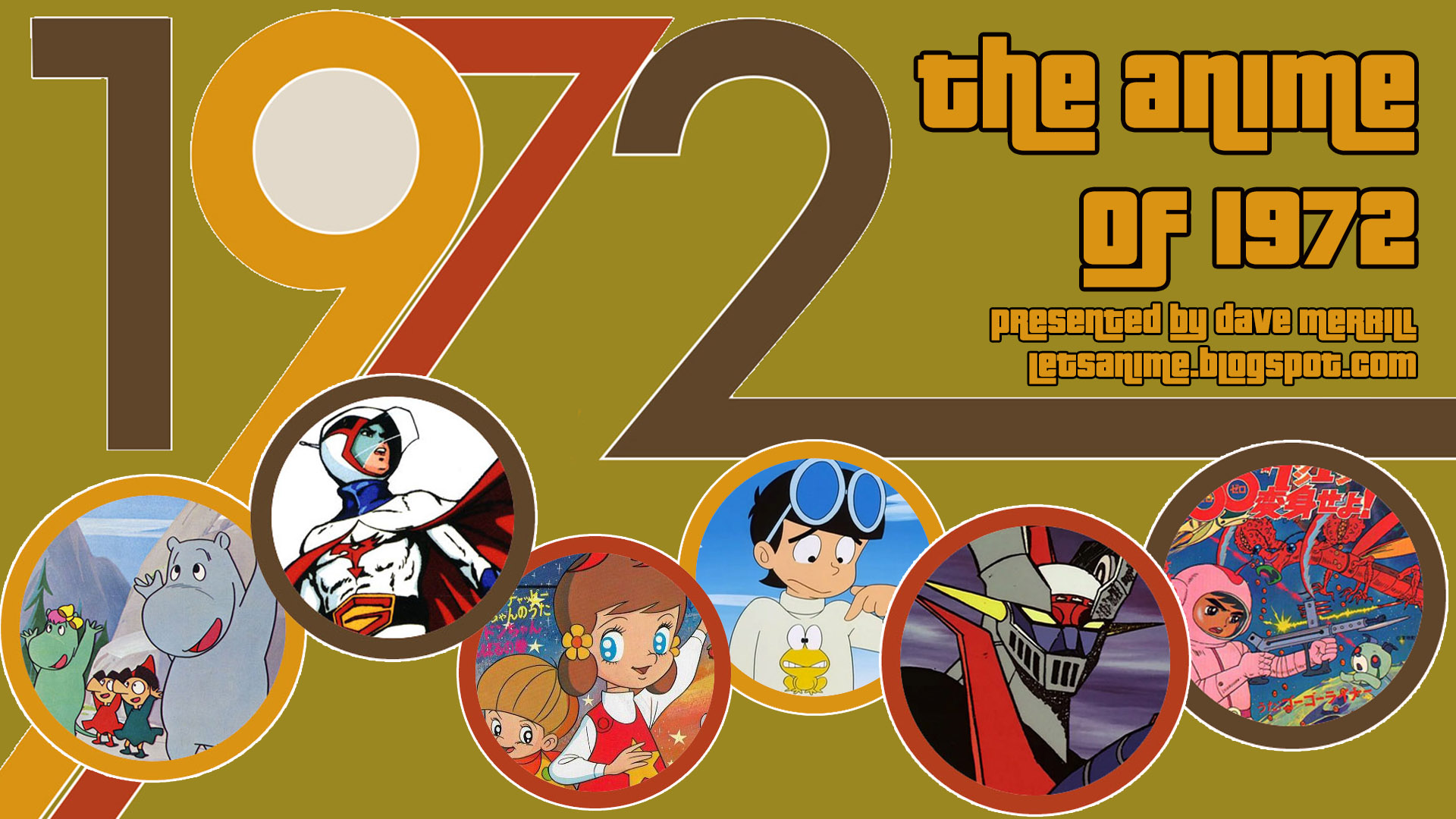
1972: The Year Anime Got Groovy


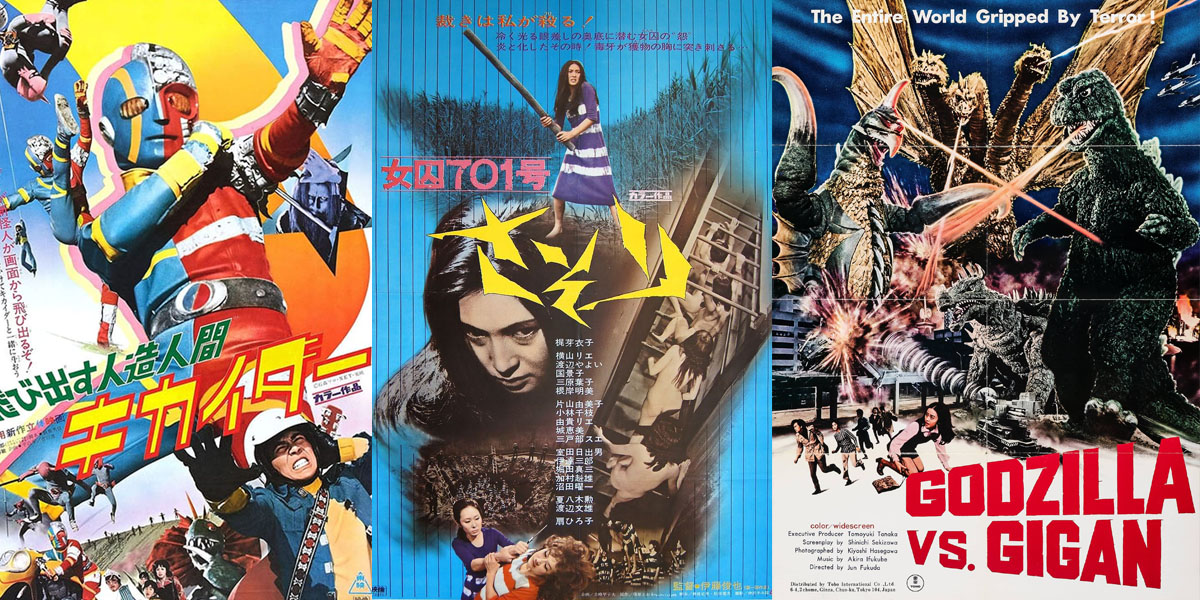
It’s 1972! President Nixon's plumbers are plumbing up what we’d call Watergate, while Tricky Dick makes a historic relations-normalizing visit to mainland China. Arab terrorists murder 11 at the Munich Summer Olympics, a three-man Japanese hit squad kills 26 at Lod Airport near Tel Aviv, and negotiators in Paris try to hammer out a Vietnam peace deal. Top American films include The Poseidon Adventure, Blacula, The Godfather, and Georgia dueling-banjos favorite Deliverance, while on TV audiences enjoyed All In The Family, Columbo, The Brady Bunch, The Partridge Family, Flip Wilson, Emergency!, Sanford & Son, Maude, the Bob Newhart Show, M*A*S*H and Kung Fu. Kids tuned in Saturday mornings to watch Scooby-Doo, The Osmonds, Josie & The Pussycats In Outer Space, The Brady Kids, Sealab 2020, and endless reruns of Bugs Bunny and Daffy Duck. Meanwhile in Japan, the Winter Olympics were held in Sapporo. Yes, they used to hold the summer and winter Olympics in the same year! Controlled by the US since the end of WWII, Okinawa was returned to Japanese administration. Japanese theaters spent 1972 screening Godzilla Vs Gigan, Female Prisoner 701 Scorpion, two Zatoichi films, and four Lone Wolf & Cub movies, while Japanese TV aired the historical dramas Mito Kōmon and Ōedo Sōsamō, the tokusatsu adventures of Kamen Rider, Lion Maru, Ultraman Ace, and Kikaida, the detective series Key Hunter, and the "Japan's Got Talent" series Star Tanjō


1972 Japanese film and TV

But here at Let's Anime we are an anime blog, we're here to talk about Japanese animation and what it looked like fifty years ago. 1972 was a year that set Japanese animation firmly upon the path it still walks today, a merchandise-driven, synergistic production-committee collaboration between the publishing industry, the toy industry, the broadcasting industry, and the eyeballs of impressionable children. Right now we're living in the anime ecosystem that 1972 built. 


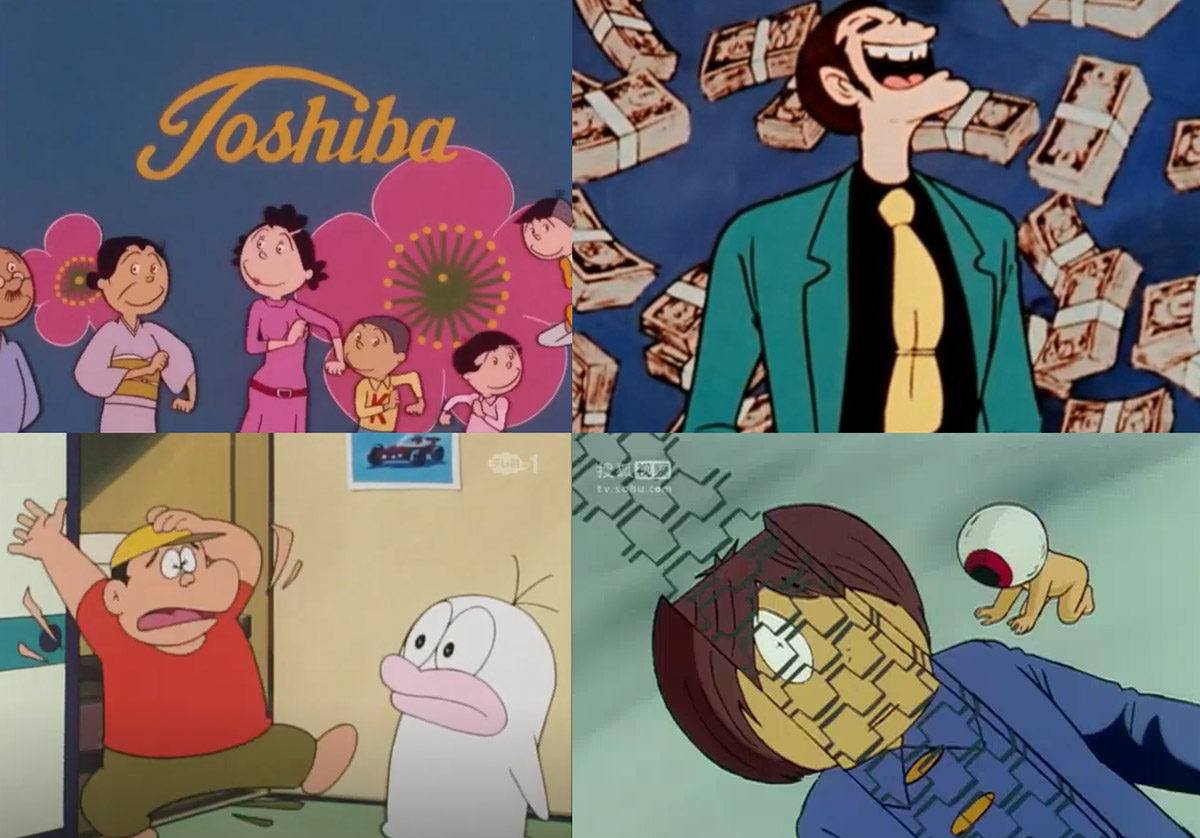
Stars of 1971

Continuing from 1971 were series like the second Q-Taro The Ghost anime, the first Lupin III series, the second Kitaro show and, of course, the longest running animated series of all time anywhere, Sazae-san, brought to you by Toshiba. But let’s keep moving and get into the new Japanese animation happening in 1972! 


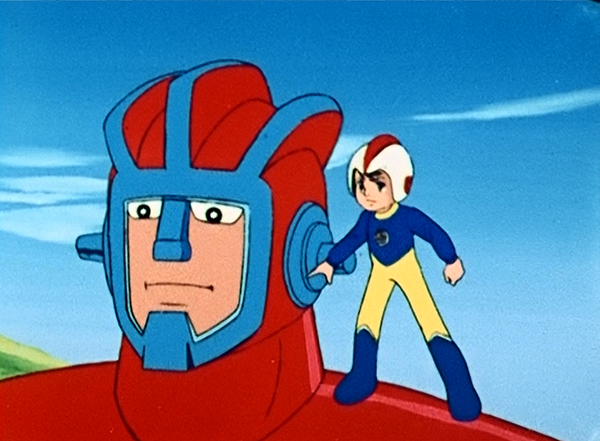
First up in our list is Astroganger. Fleeing the evil alien Blasters, the extra-terrestrial Maya crash-lands on Earth, falls in love with a scientist and gives birth to a human boy named Kantaro. When the Blasters invade the Earth, Kantaro must defeat them by fighting with Astroganger, a robot made from living metal. This was the first color super robot TV anime, if you can call Astroganger super, which I personally do not. However, let's remember that every anime series is somebody's favorite anime series, and Astrogangar is no exception, being popular in Italy and the Arabic world. This Knack anime series ran for 26 episodes between October 1972 and March 1973. 


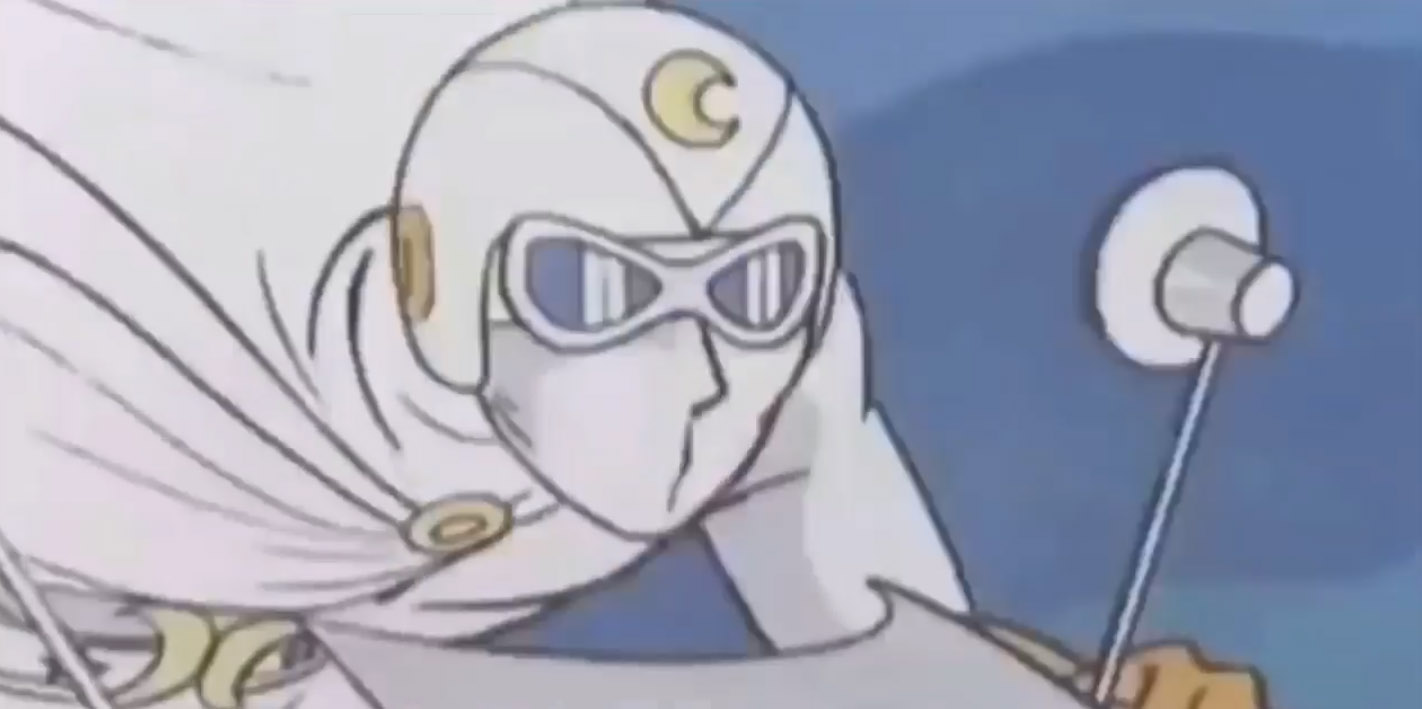
Seen in Mexico as "Capitan Centella," Moon Mask Rider is based on the groundbreaking tokusatsu hero series Gekko Kamen/Moonlight Mask/Moon Mask Rider, who donned the titular moon mask, fired up his moon cycle, and strapped on his moon six-guns for justice in the name of the Moon on TV in 1958 and soon afterwards in six feature films. The '72 version, also animated by Knack, appeared in response to the success of 1971 tokusatsu series Kamen Rider, itself perhaps influenced by the original Moon Mask


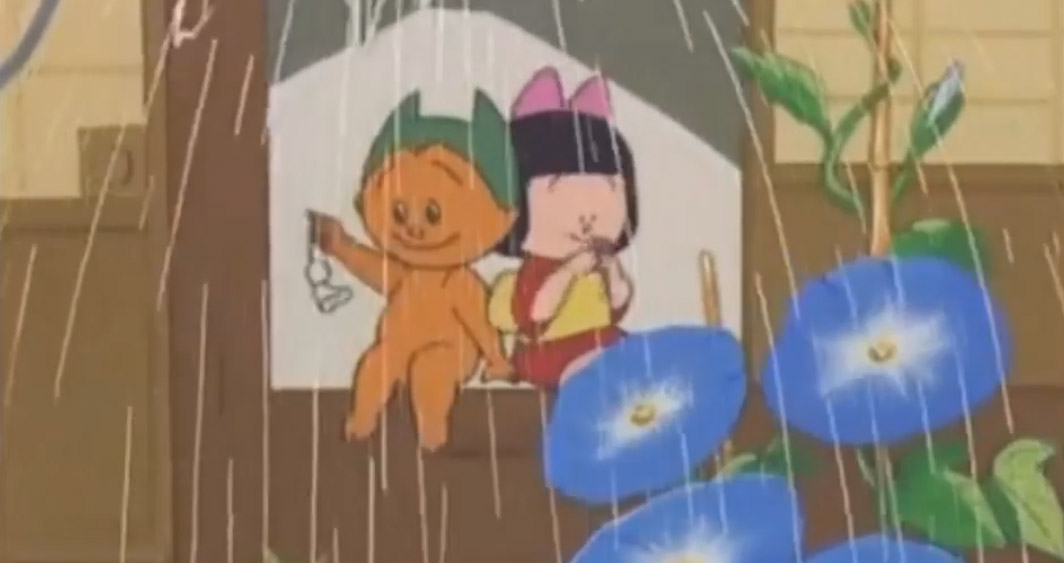
Onbu Obake aka "Piggyback Ghost" aired from October '72 until September 1973 and was based on the manga by Ryuichi Yokoyama, who created the wartime manga Fuku-chan and was one of the first manga-ka to be recognized by the Japanese government as a serious artist. A Top Craft/Eiken series, Onbu Obake aired on YTV. The Onbu Ghost was born from jade and spends happy days with a kind old blacksmith and a young village girl, encountering a wide variety of Japanese folktales as he becomes pretty much a Japanese version of Casper The Friendly Ghost. In the final episode, Onbu saves the village by holding up a crumbling rock all night alone, before exhausting his powers and returning to the jade from whence he came. Beat that, Casper! 


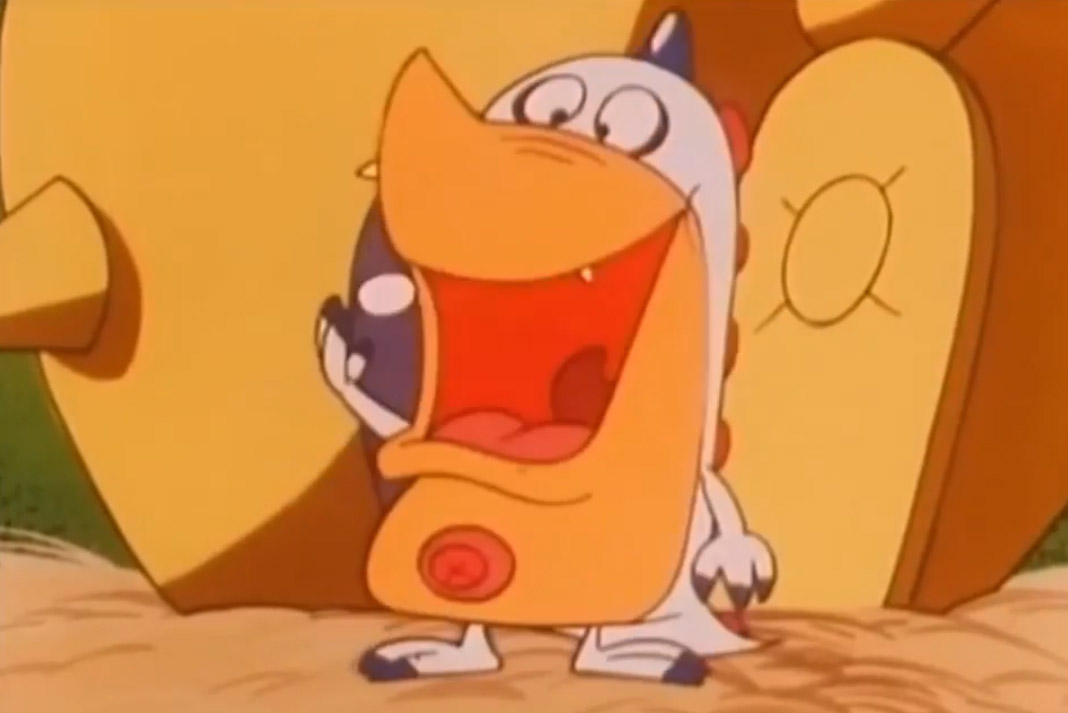
Tamagon The Counselor or "Kaiketsu Tamagon" is a goofy, friendly monster who is inordinately fond of eggs. He advises anyone with a problem, asking only eggs in payment - as soon as he's eaten that egg he gets to work. However his solutions usually end in comedic failure and he winds up being chased by his irate clients. This series of 195 5-minute shorts from Tatsunoko aired in Europe as "Eggzavier the Eggasaurus." 


Pinocchio, the venerable Carlo Collodi folktale, comes to life in this 1972 Tatsunoko TV series. Pinocchio here is known as “Mock Of The Oak” or Kashi no Ki Mokku, and he faces constant struggle and strife as he makes his way through the world. This was released on VHS and DVD in North America, look for it in the thrifts! 


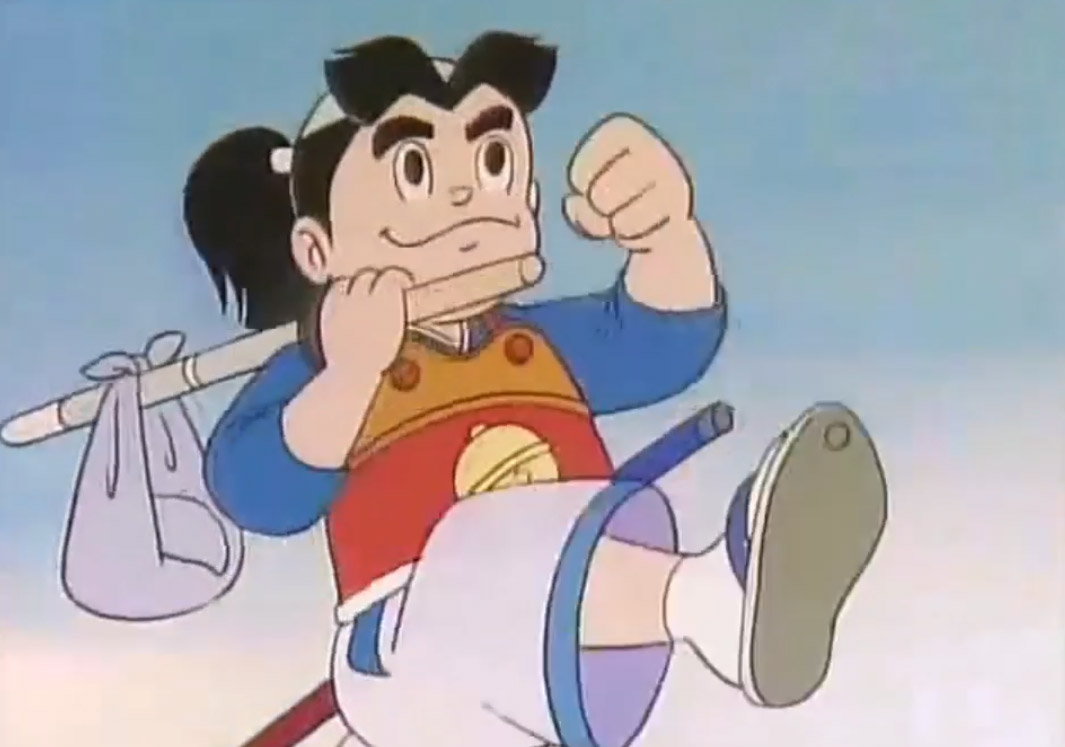
The historical samurai series Akado (Red-breast) Suzunosuke is based on the 1954 manga by Eiichi Fukui and Tsunayoshi Takeuchi, which ran in Shonen Pictorial and spawned a radio drama, a TV show, nine feature films, and this anime series from TMS, which was directed by Isao Takahata and featured key animation from some dude named Hayao Miyazaki. It's about Suzunosuke Konno, an Edo-period boy swordsman learning his chops at the Hokushin Ittō-ryū Chiba Shusaku Dojo. He habitually sports his father’s red breastplate, leading to the nickname and the series' title. 


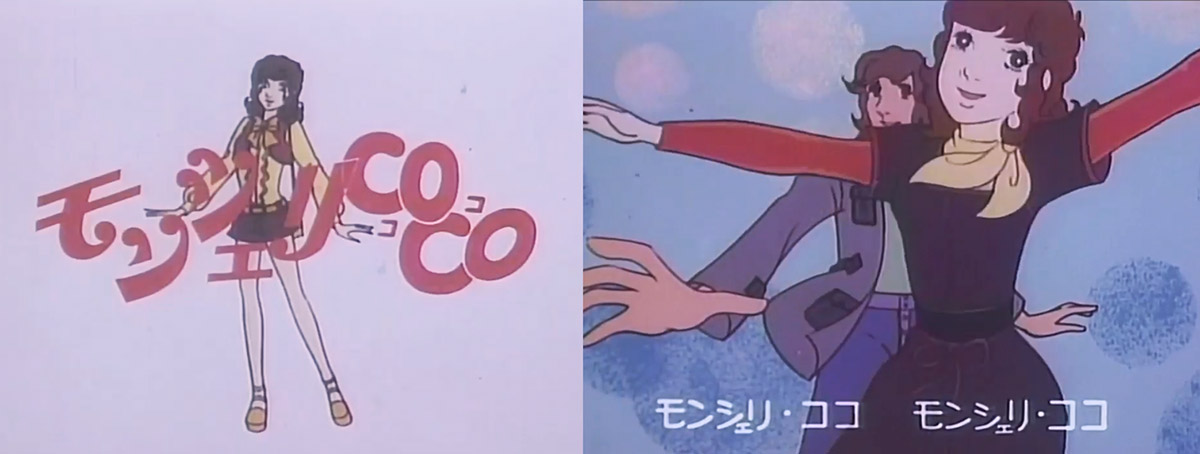
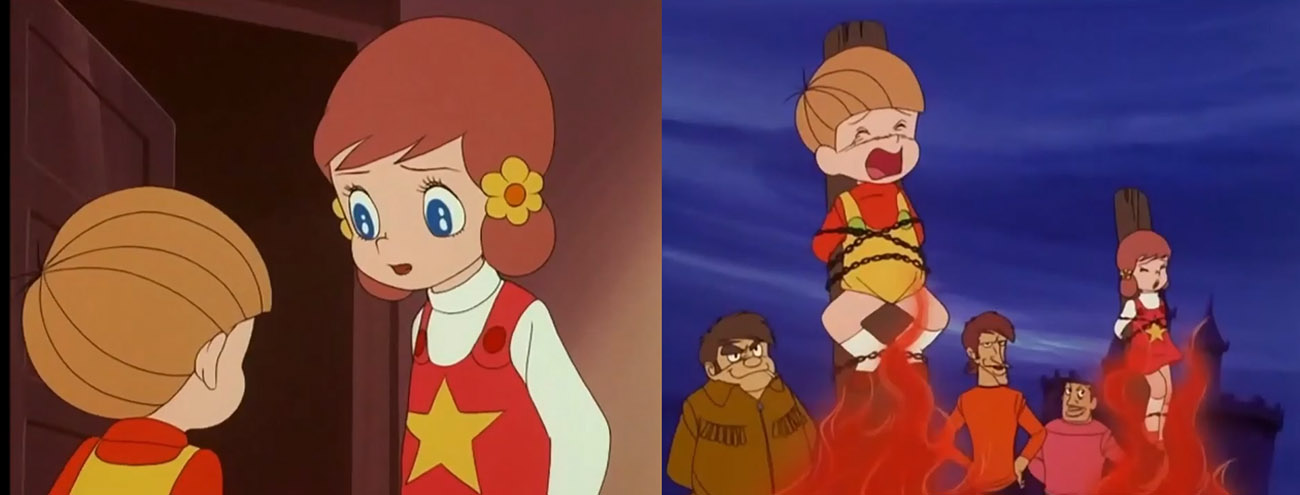
Mon Chéri CoCo is 13 episodes of romantic comedy anime airing from August to November 1972, with animation by Studio Look, Studio Take, and Joke. CoCo was a Nippon TV Video/NTN/TBS production and is based on the manga by Waki Yamato, who'd later create the popular Taisho-period romance Haikara-san. CoCo's star is Coco Charmant, a Paris fashion designer with a French textile-company president father and a Japanese mom from a Kyoto fabric wholesaler background. Coco creates her own new styles in the fashion world while mixing love and friendship. CoCo's production head Shimozaki Jun resigned at the end of August and NTN's animation producer resigned in October, leading us to conclude this early shoujo romance anime was cursed. The CoCo series has only been re-run once and has never been released on home video. 


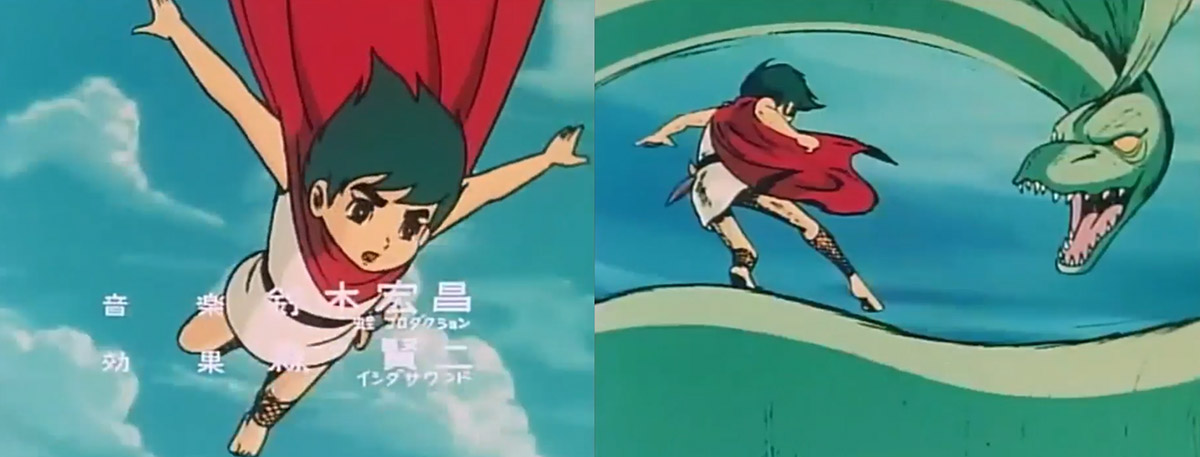
A child of Atlantis, Triton Of The Sea was raised by humans but discovers his true identity and sets forth to battle the empire of Poseidon with his mermaid friend Pipi and his magic sword, turning the ocean red with the blood of his enemies. Seriously, this is a violent show! Based on the "Blue Triton" manga by Osamu Tezuka from 1969, the manga was later renamed to come into line with the TV anime, which only lasted 27 episodes but would return for two 1979 features culled from the show. Triton was directed by Yoshiyuki Tomino and the animation was produced by Yoshinobu Nishizaki's "Animation Staff Room," a studio which would become Nishizaki's Office Academy and soon release Space Battleship Yamato


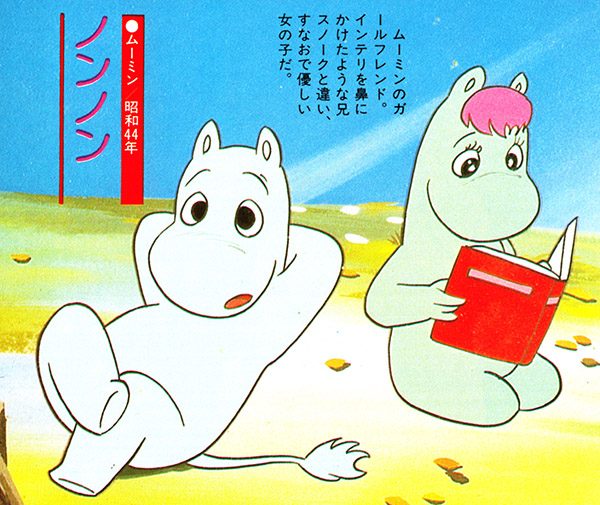
Based on the folksy, quirky fantasy comics & novels by Finnish national treasure Tove Jansson, Shin Moomin or “New Moomin” is a 1972 Mushi Pro anime series that continued the 1969 Moomin anime, which was produced by TMS until somebody named Hayao Miyazaki decided the show needed tanks in it. Suddenly TMS was out and Mushi was in. The 1972 series lasted 52 episodes and is all Mushi. 


Doknojo Gaeru or The Gutsy Frog, based on Yasumi Yoshizawa's six-year run in Shonen Jump, is all about middle schooler Hiroshi who accidentally squashed the frog Pyonkichi onto his sweatshirt. Now Pyonkichi lives on the front of Hiroshi’s shirt and causes no end of kooky comedic situations. This iconic TMS series ran for 206 episodes and was brought back in 1981 and again in 2015 as a live action show. 


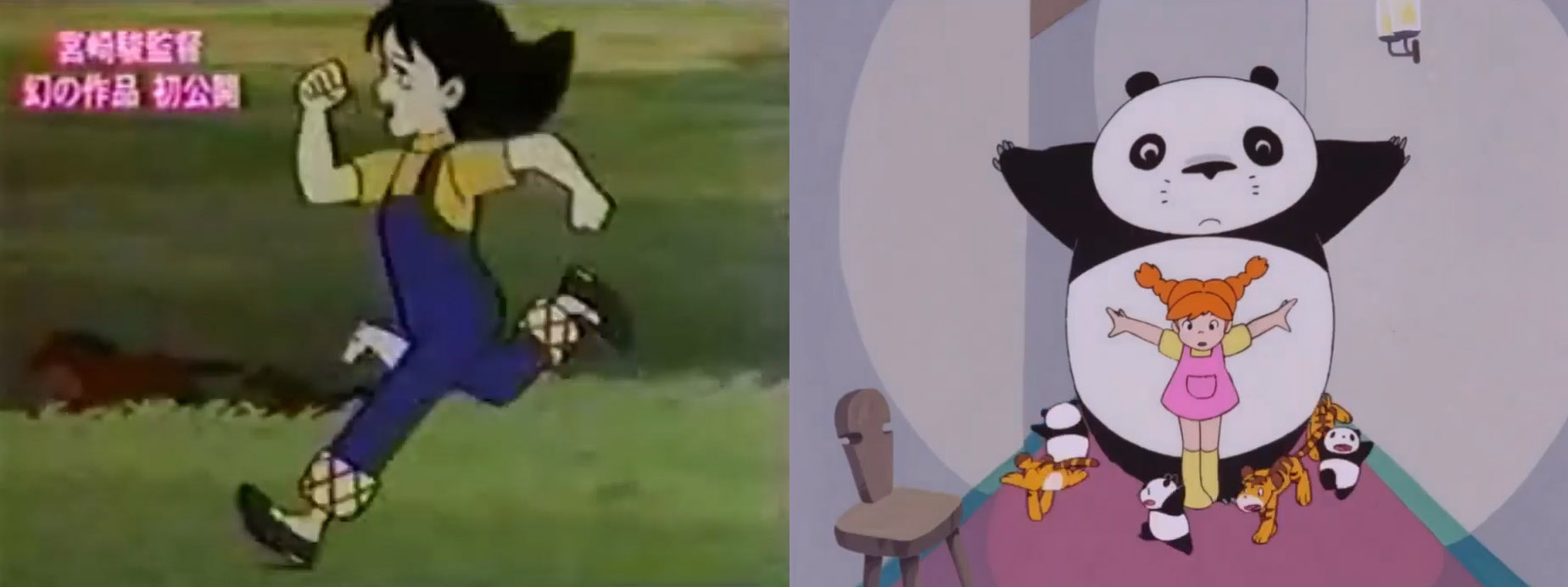
The '72 TMS TV series pilot "Yuki's Sun" is based on the manga by Tetsuya “Tomorrow’s Joe” Chiba and is about an orphan named Yuki who’s adopted by a new family. This was Hayao Miyazaki’s first solo directorial work. 

Yuki and Pandas
 

In 1972 the Chinese government loaned Japan two giant pandas for the Ueno Zoo and Japan went positively psychotic for pandas. One of the products of this mania we know as Panda ko Panda, a pair of short TMS films about a little girl named Mimiko who befriends both a baby panda named Pan-chan and Pan-chan’s panda Papa. The creative team involved superstars Isao Takahata, Hayao Miyazaki, and Yoshifumi Kondo, who used concepts left over from their aborted "Pippi Longstocking" project (I guess Astrid Lindgren heard about the Moomin tanks). 


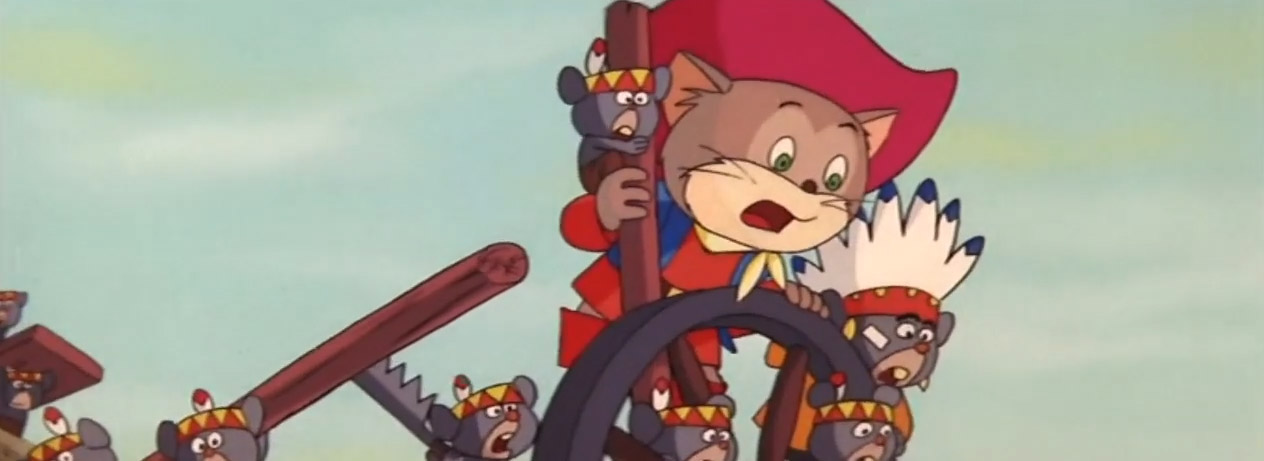
Nagagutsu Sanjuushi aka The Return Of Pero aka Ringo Rides West aka the second of Toei’s Puss In Boots movies is a kiddy version of a spaghetti western as Toei mascot cat Pero finds himself chased all the way to the Old West! Outlaws are trying to take over frontier Go Go Town for their own evil ends and Annie's inheritance stands in their way. Will Pero and the mysterious Kid With No Name aka Jimmy save the town? 


Hellhound Liner 0011 Henshin! Tsutomu lives in the world of the future and his only friends are dogs. When those dogs are killed by outer space alien invaders in an assassination attempt on Tsutomu’s father, there is only one response - to rebuild those dogs into transforming robot combination spaceship cyborgs and destroy the planet of devils! This is a kids’ movie? This IS a kids' movie, a Toei Manga Matsuri favorite delivering rocket-powered robot monster-destroying excitement at 24 frames a second. Don't miss it! 


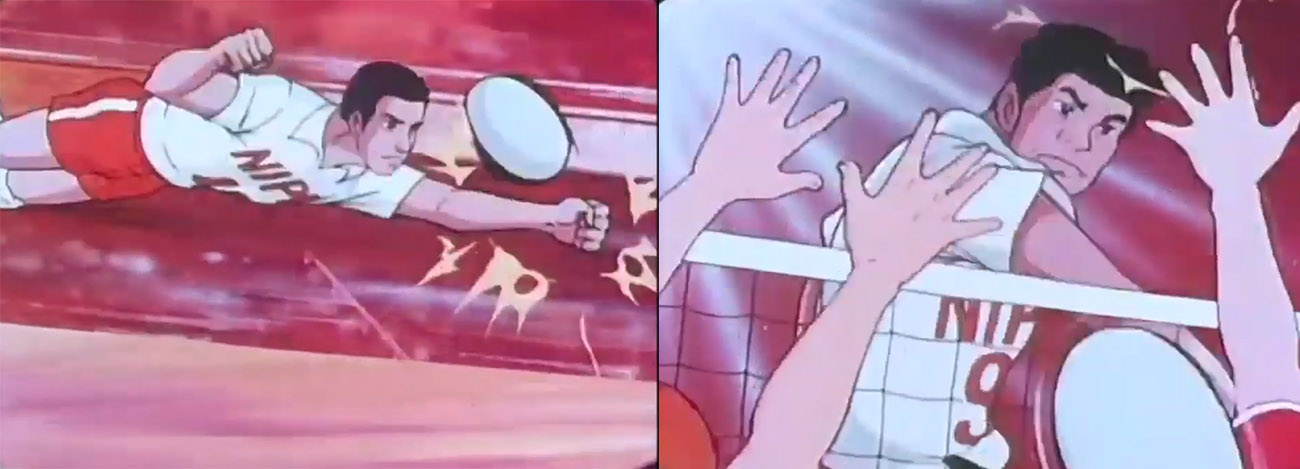
"Anime Document München e no Michi" or Anime Document: The Road To Munich is a combination animation/live action documentary series about the Japanese Men's Volleyball Team as they prepare for the 1972 Munich Olympics. This series, the second time animation was used in a "documentary" format on Japanese TV, aired on TBS from 23 April to 20 August 1972, was sponsored by Fujiya (the Peko people), and was part of a plan to bring greater recognition to the men's volleyball team, who would go on to take the gold in Munich! That's the power of anime right there. 


A princess in a magical land, Chappy longed to visit the human world and when her brother Jun provided a convenient distraction at just the right moment, Chappy and Jun came to Japan! There, she found the human world to be full of pollution, traffic accidents, and bad people. Chappy, Jun, and mom and pop try to get along in our modern world without revealing their magical secrets. If you count Marvelous Melmo, Toei's Magical Chappy is the sixth magical girl to appear in Japanese anime, and aired from April to December 1972. 


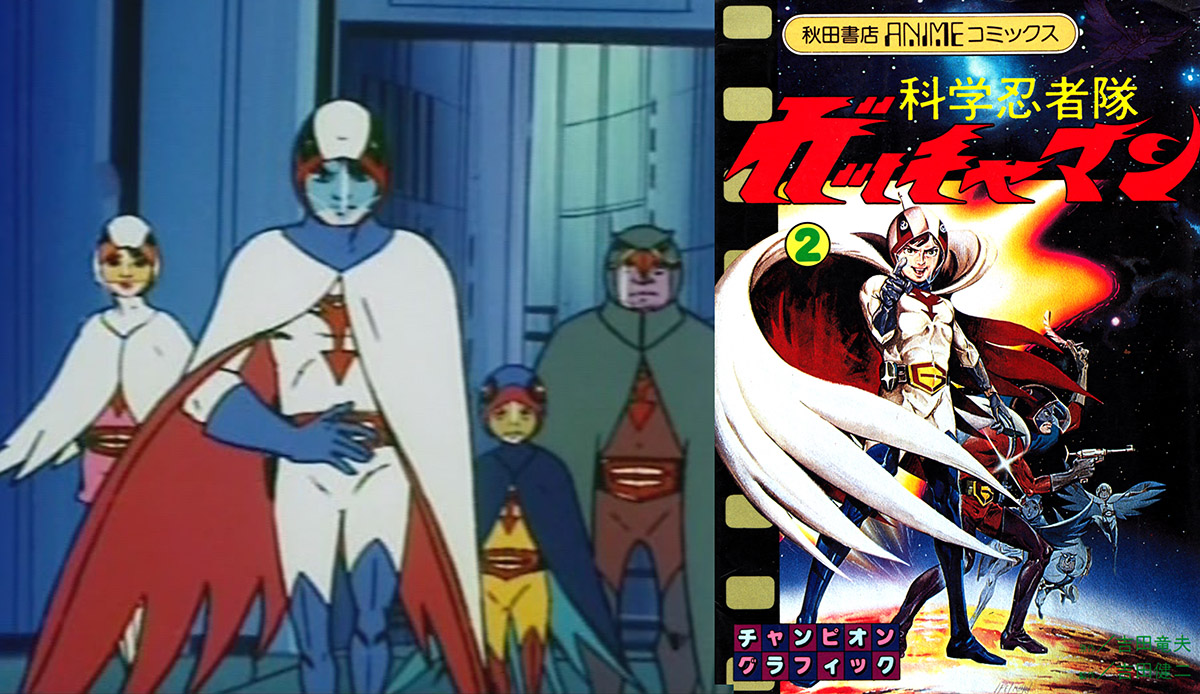
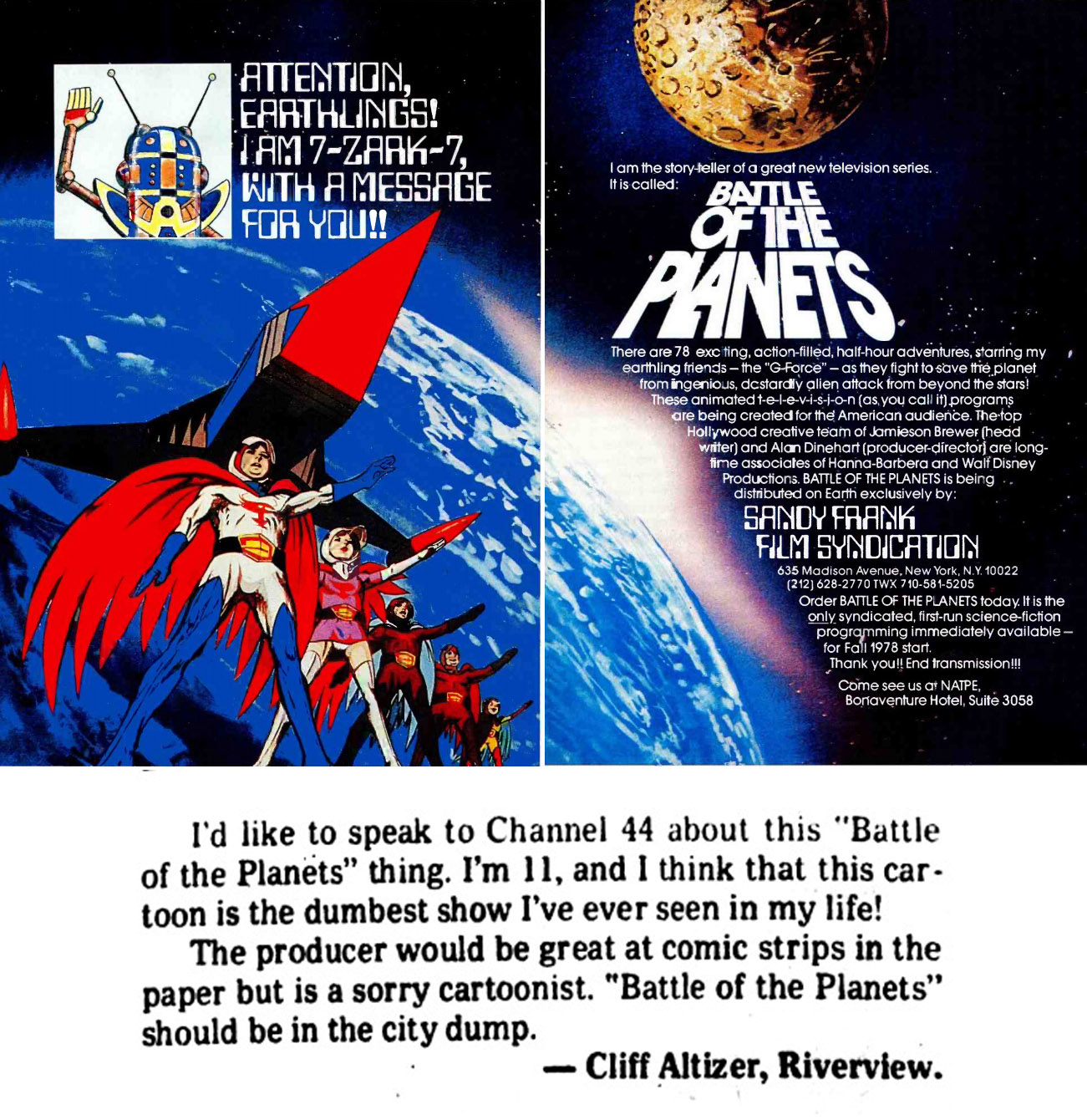
Tatsunoko Productions' legendary animated series Kagaku Ninjatai Gatchaman premiered at 6:00 pm on Sunday, October 1, 1972 and gave us 105 bird-ninja starring episodes. Operating under the orders of the International Science Organization, Gatchaman fights to defeat the gangsters, robots, monsters and villains of Berg Katse, who leads the evil Galactor Syndicate controlled by the mysterious Sosai X. This immensely successful franchise would encompass a feature film, scads of merchandising, two sequel TV series, 90s and 00s reboots, a live action film, and international if slightly edited success under the title Battle of The Planets


Gatchaman's muscular realism would provide a template for a decade's worth of Tatsunoko hero adventure as the studio brought forth similar adventure programs like Shinzō Ningen Casshan, Uchū no Kishi Tekkaman, and Hurricane Polymar. I've lost count of how many times this show has been made available in America - televised as BOTP, dubbed again as G-Force, Gatchaman II and F shown as Eagle Riders, on VHS and DVD as BOTP, and on DVD and Blu-Ray as Gatchaman


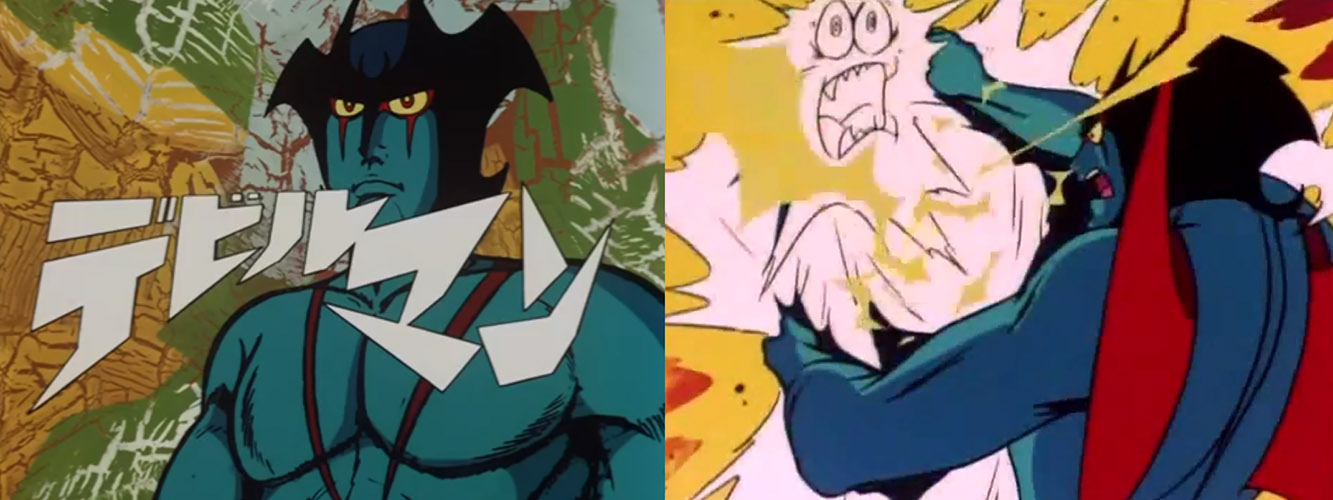
Not content with the cataclysmic climax of his parent-disapproved "Shameless School" manga, up and coming manga superstar Go Nagai continued to push boundaries with his next popular series, Devilman. Notorious crybaby Akira Fudo lives with foster parents and endures abuse by bullies until one day he merges with the demon Amon and becomes Devilman, sworn to battle the awakening devils that seek to exterminate mankind. This Toei TV adaptation of Nagai's manga began airing in July of 1972, barely a month after the manga began appearing in Weekly Shonen. The comic's nihilistic violence was toned way down in the anime, but it still took decades to see any sort of English-language appearance of the character, who would return to the anime world in two 1980s OVAs and a 2018 Netflix series. 


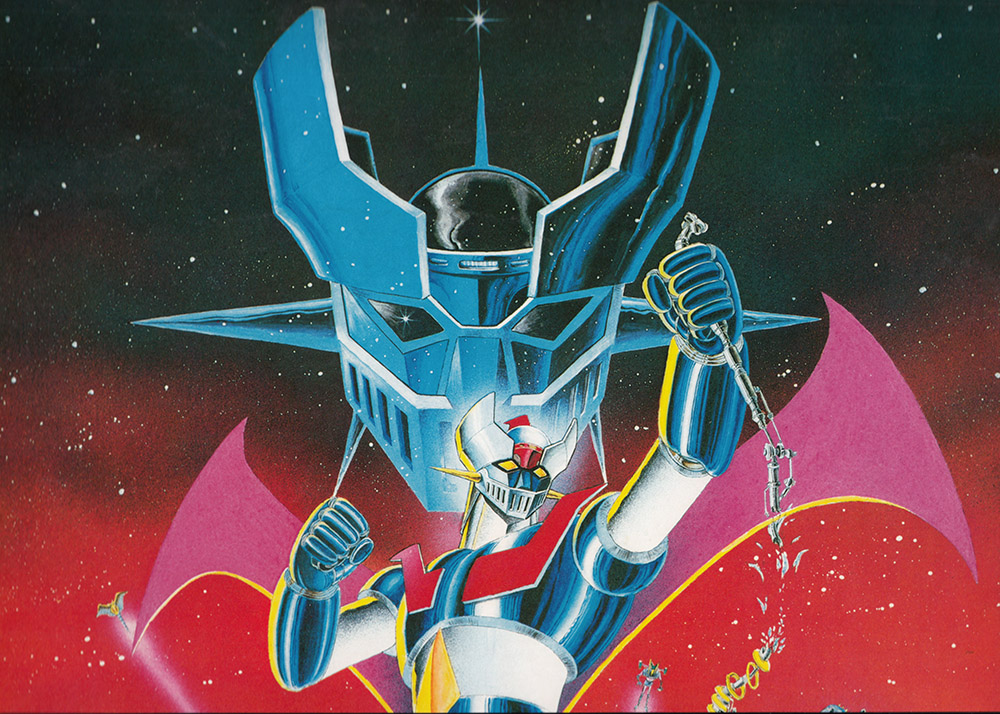
Mazinger Z, the super robot, was built out of Chogokin-Z by Juzo Kabuto to battle the forces of Dr. Hell, in much the same fashion as creator Go Nagai forming Dynamic Pro to battle those who would abscond with licensing rights to his creations. Just before Dr. Kabuto's murder by Dr. Hell’s agents, Kabuto reveals Mazinger Z to his grandson Koji Kabuto, who then pilots Mazinger Z through 92 episodes of a Toei TV anime series airing from December 1972 until September 1974. Based on the manga by Go Nagai, Mazinger Z spawned armies of toys, battalions of merchandising and legions of sequels and imitations that infest Japanese popular culture to this day. 

English versions

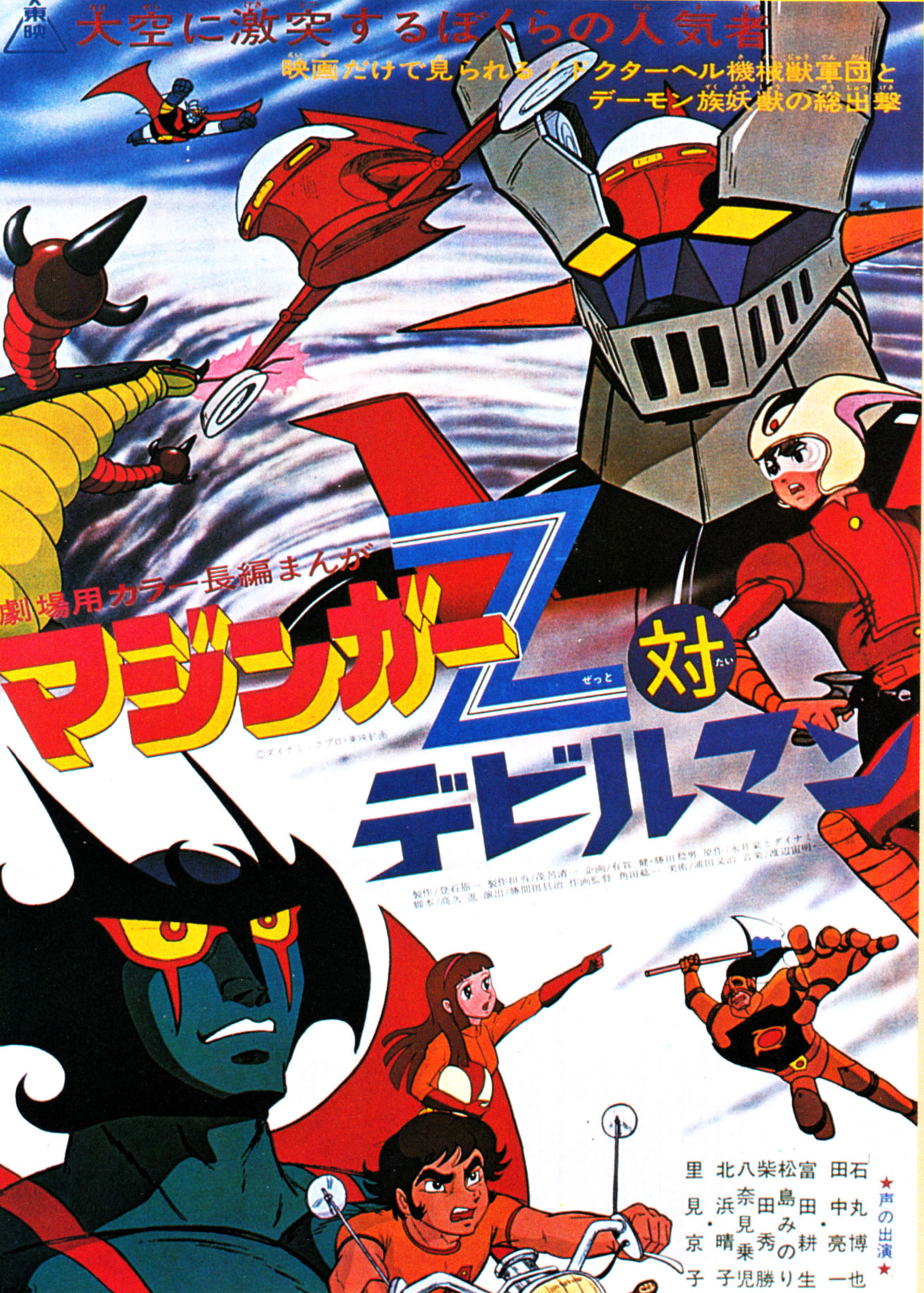
Mazinger Z was dubbed into English in the 1970s (by M&M) and again in the 1980s as “Tranzor Z” by 3B. In 1973 Devilman and Mazinger Z would team up to star in the fine art film Mazinger Z vs Devilman. Koji Kabuto and Mazinger Z would return in the 2009 series Mazinger Edition Z: The Impact! and in the 2017 feature film Mazinger Z Infinity.


cinema at its finest
 

And that's 1972, without which we would not have Tatsunoko adventure, Toei super robots, Devilman Crybabies, Gutsy Frogs, or Astrogangers. What would that non-'72 world look like? Popular culture would have to limp along without bird ninjas or super-mechanical heroes, toy companies would be bereft of robot toys, Japanese PTAs would have to find something else to complain about. Fifty years later, however, we still live in the world that 1972's anime created, our feet firmly planted in that strong 1972 foundation. Now, choose your soundtrack: "Ziggy Stardust" or "Exile On Main Street"! 

 -Dave Merrill


Thanks for reading Let's Anime! If you enjoyed it and want to show your appreciation for what we do here as part of the Mister Kitty Dot Net world, please consider joining our Patreon!

Monday, October 24, 2022

Anime Weekend Atlanta 2022

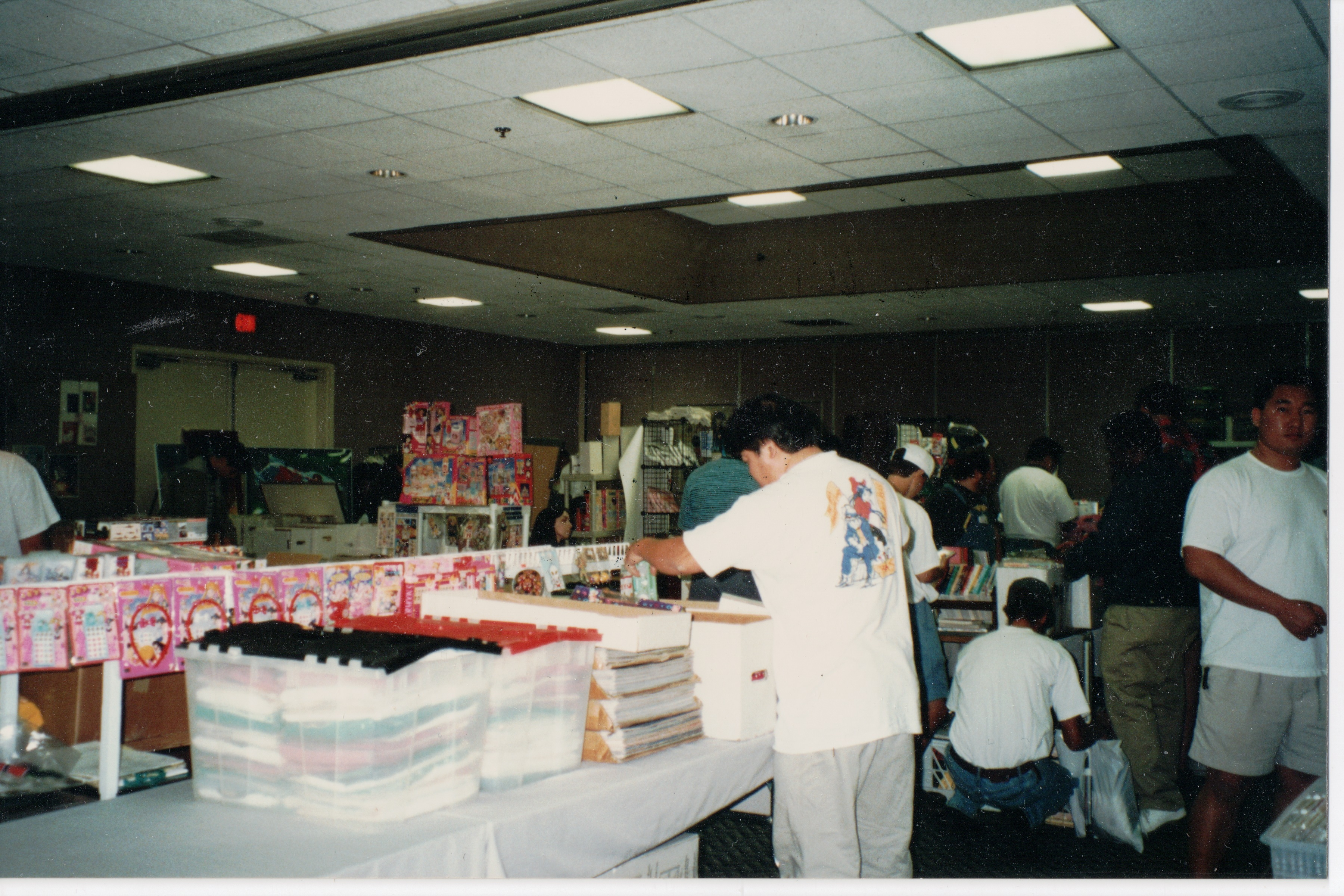
Back in 1995 when we were preparing to cut the ribbon on our first Anime Weekend Atlanta, the expectation was that we'd have a fun little gathering of the local anime fans, and that would pretty much be it. We'd watch some videos, we'd buy some VHS tapes, we'd judge some costumes, and then we'd go home, and maybe we'd keep having one of these things every year, and maybe we wouldn't. Anime fandom was a niche of a niche, a subset of nerds clawing their way out from under a pile of Star Trek cons and comic book shows and gaming festivals, and the idea that Japanese animation would become not only a sizable chunk of the fandom world, but would claw its way into the highest echelons of popular culture - I speak of course of hip-hop themed Sprite ads - that idea was just wishful thinking. 

Vendors Hall at the first AWA

Well, wishes come true sometimes. In the 27 years since that first show, Japanese animation has boomed and busted and boomed again in North America, sending generations of cosplay kids, figure kings, and wanna-be influencers  to roam the halls of many a confused downtown convention center. AWA swelled into a swirling mass of fandom filling the parking lots and hotel availability of a variety of facilities, eventually winding up in the Cobb Galleria Center/Waverly complex, which, little did we suspect, would wind up being next door to the new Atlanta Braves stadium.

Crowds at AWA 2021

And of course nobody except science fiction writers and epidemiologists expected a new and deadly virus would sweep the world, shut down gatherings, close borders, and make 2020 a blank spot on the convention calendars of many a city. AWA was no exception and the convention took a year off to play with Zoom calls, experiment with online spaces, and figure out how things were going to work when things got back to working again. The 2021 show climbed that learning curve, and the unheard of Thursday crowds, the parking lot COVID tests, and the commendable masking discipline of the staff and attendees meant not only could AWA return to physical spaces, but that the crowds would also return. Once the dust settled and the convention was over, we'd find not one reported case of COVID coming out of AWA, which certainly seems, to me anyways, that a vax and mask mandate answers the questions many of us were having about how we were going to hold large events safely. 


AWA returns this week. Along with guests and musical acts and the vendors and Thursday's Super Happy Fun Sellers and cosplay and video games and tournaments, AWA's vax and mask mandate has also returned. Some 2022 conventions have dropped those guidelines, and unsurprisingly, some COVID came home from those conventions along with the attendees. This is not a great outcome, and I'm glad AWA is trying to avoid those outcomes by sticking with best practices this year.


What am I up to? Thursday is the big favorite of fans and collectors and bargain hunters, the Super Happy Fun Sell, a garage sale of pre-loved anime merch rescued from closets and crawlspaces. Bring cash.


Friday night at 11:30 it's time for Neil Nadelman to unleash Totally Lame Anime to wreck eyeballs and tickle funnybones with the lamest Japanese cartoons ever made. Neil is the guy who translated Chargeman Ken, so he knows of what he speaks. 


Either later that night or earlier the next morning, take your pick, it's time for Anime Hell at 1:00am Saturday. Can the wee hours stand the short-form video nonsense projected using state of the art equipment and featuring Japan or anime or hell or neither or all three? It's up to you to find out. 


Later Saturday morning at 10:30 I'll be presenting a presentation all about the Japanese animation of 1972, a year that turned what was then still called 'terebi manga' onto its ear, grabbed the steering wheel of the dominant paradigm, popped the animation clutch and told the world to eat its super robot bird ninja dust.


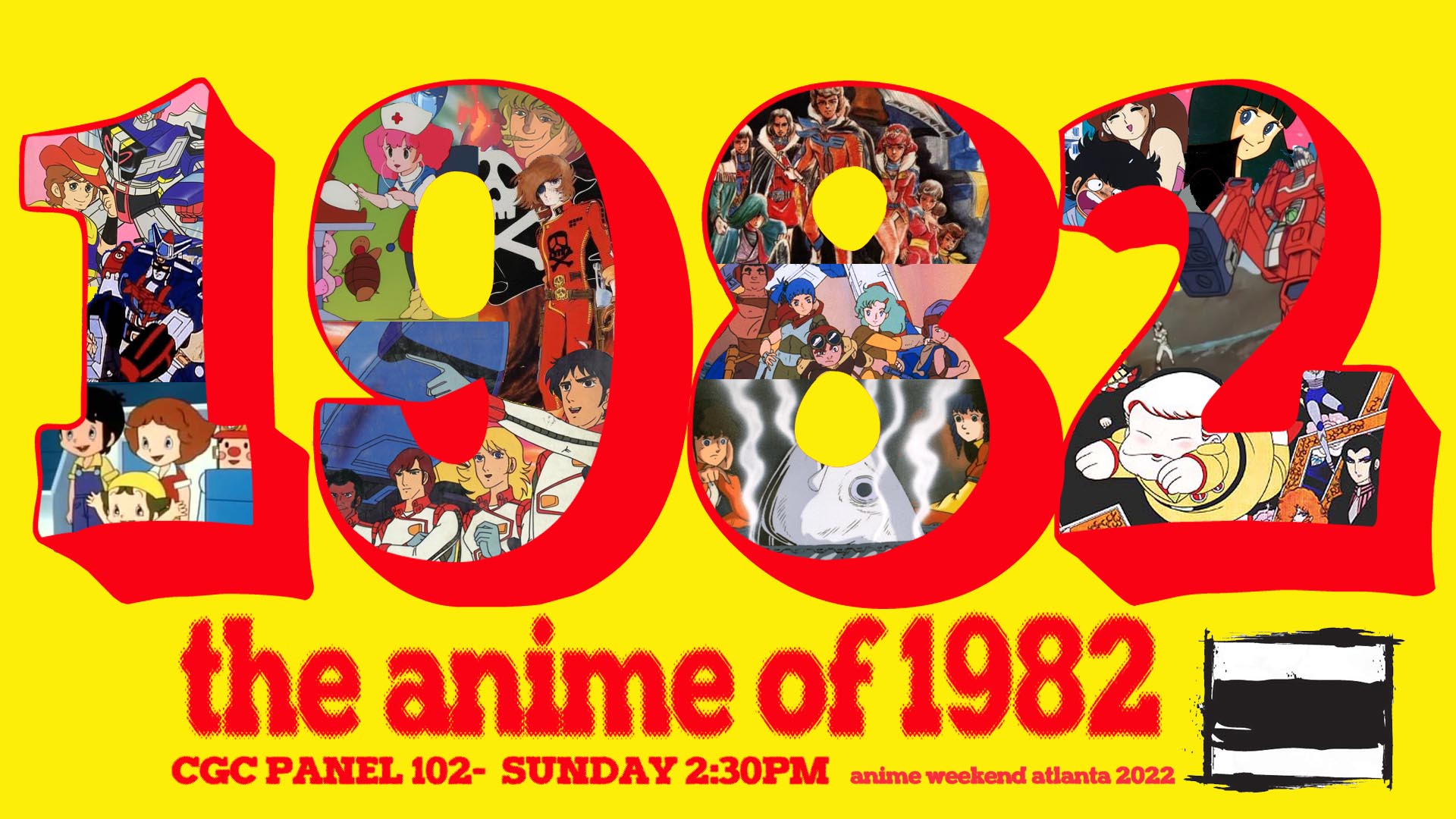
Sunday it's time for me and ANN writer Darius Washington to investigate the anime of forty years ago, the miracle year of 1982 when Japanese animation birthed worldwide franchise successes, international collaborations, fairy princesses, space pirates, transforming robots, and cellists. 


All this plus food trucks all weekend long! See you at either the 27th or 28th AWA, depending on how we're counting! 


-Dave M 

Thanks for reading Let's Anime! If you enjoyed it and want to show your appreciation for what we do here as part of the Mister Kitty Dot Net world, please consider joining our Patreon!

Friday, September 2, 2022

Annoying Adventures With The Tape Trading Taskforce

this column originally ran in 2003 at Mike Toole’s “Anime Jump” website, and has been amended with minor corrections, slight alterations, and additional annoyances. Names have been changed to protect the innocent and guilty.

Back in the pre-DVD. pre-streaming era, when you had to swap stuff with strangers through the mail to get any kind of decent Japanese cartoons, brave nerd pioneers would find ourselves having to get too close for comfort to certain specimens of the genus “anime-fannus North Americanus.” These are but a few of the many tales that make up the warp and woof of the rich tapestry that is your anime nerd heritage, and they should serve both as amusing anecdotes and cautionary examples. 

actual anime VHS tapes received via the US Mail
 

Oh so many. The person who created his own home-made flyers for our anime convention and posted them around town. The guy who spent weeks arguing on BBS message boards about how Masamune Shirow invented manga as we know it and then tried to track us down at Project A-Kon to argue about it with us some more but got thrown out of the con due to the weed and bong he brought to the staff room he was crashing in. The letters about 60s cartoons that segued quickly into being letters about sex acts. But let’s focus on a few.

1.

Back when I was copying tapes for people through the Anime Hasshin tape traders list, a California fan got in touch with me with an aim to getting copies. He sent his list, I sent my list back, he replied with a large letter back commenting (negatively) on the contents of my tape list and asking why I didn’t make copies in 6-hour EP mode. I replied that (1) EP sucks in terms of video quality, and anyway, (2) they’re my VCRs and I’ll do with ‘em what I want.

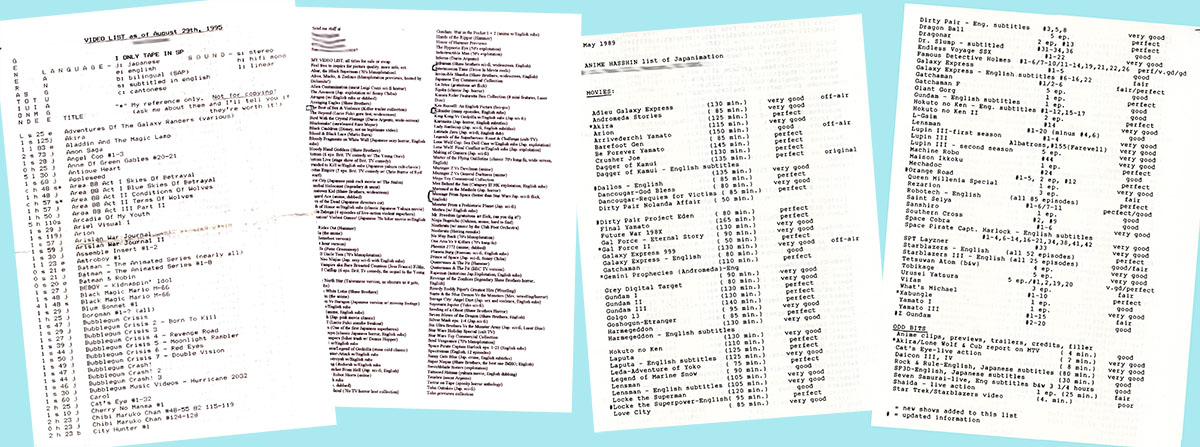
lists of anime tapes in the collections of anime fans circa 1990


His reply letter more or less agreed with me, or at least admitted that we all have our own preferences. I figured I’d never hear from him again, Well, a week later a tape arrived in the mail from him, along with return postage and a request list that was almost exactly six hours long. A movie, two OVAs, some TV episodes, just cram it all on there, please.

I’m like, whatever. The tape goes on the pile of tapes to be copied. You see, at the time I was copying a lot of tapes from people both through the mail and right at home. I’d come home from the local anime club with a stack of blanks and a list of requests, and I spent a lot of time violating copyright law so Bob McBobbob and his pals could watch Project A-Ko or “Dirty Pair Does Dishes” at their leisure.

One week later, I get a long, pissed-off letter from the guy, asking where the hell his tape is, how dare I treat anime fans in this way, where do I get off behaving in such an obnoxious fashion, HE always makes sure HE gets HIS tapes done quickly, etc etc.


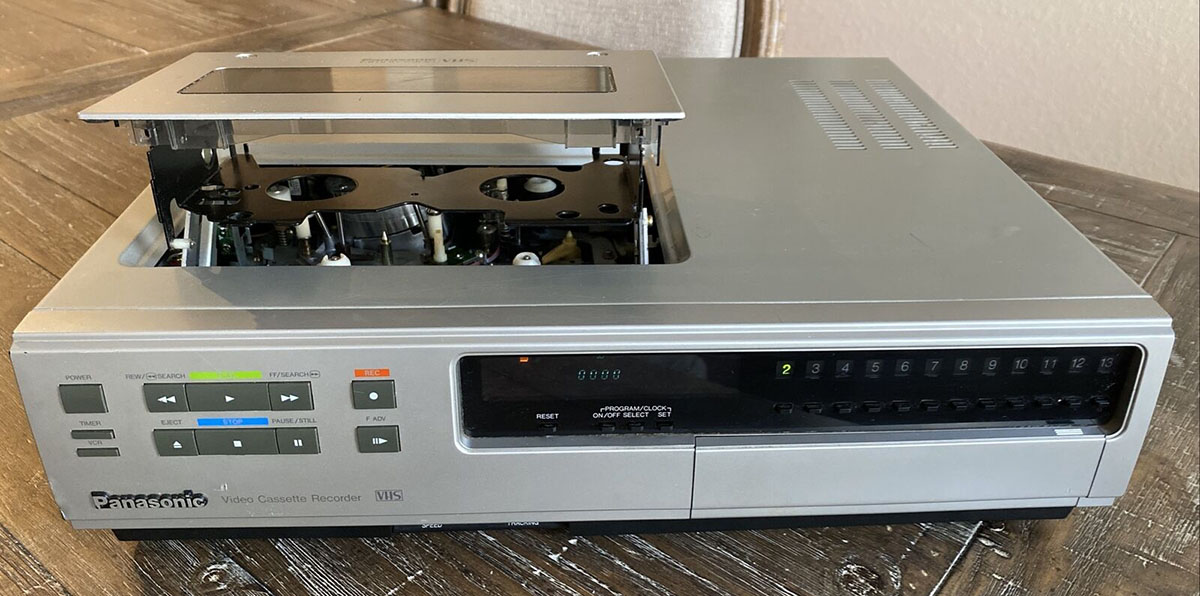
So this gets my full attention. What I do is I dig out my oldest, funkiest, top-loading 2-head VCR that only records in black and white. It was a Panasonic that suffered a drop onto a concrete landing after I tripped on some stairs while carrying it to a Saturday night let’s-copy-anime-and-eat-pizza gathering at a now demolished apartment complex at Lindbergh and Piedmont in Atlanta. I used this Panasonic as the recording deck. Every so often as I passed the machine I gave it a mighty smash with my hand or other suitable blunt instrument. Talk about hashtag VHS Artifacts! They got all six hours of anime, though. Was it watchable? I don’t know. I never heard from them again. 


meet you at Zesto's on Piedmont


2.

A few years later we were fan-subtitling Captain Harlock though the auspices of Corn Pone Flicks. A VHS, a SASE, and a request for episodes arrived, as per our guidelines. We put the Harlock episodes on the tape, which was placed into its already-stamped return envelope, and mailed back.


A month later the emails started – that tape never arrived. Which is a thing that happens sometimes. Mail gets lost. It’s a thing. What made this email special was the demand we replace and mail this person their replacement tape on our own dime. Because, as the email stated, we were running a business and as such had a responsibility to our customers. Since we were most definitely NOT running a business, we actually had NO such responsibility. By that time we’d learned just ignoring the kooks was the best plan of action, which is what we did to the increasingly angry emails that continued to arrive, eventually accusing Corn Pone Flicks of running an elaborate swindle, stealing blank VHS tapes from an unsuspecting public. The perfect crime!

3.

Speaking of copying tapes, it was the custom of the time for anime nerds such as myself to have lists of their available anime titles photocopied and available to send out, because it’s difficult to ask for tapes you don’t know exist. If you were a member of an anime club or two, you might have access to the anime lists of five, ten, twenty anime tape traders. You might not consider these lists themselves a valuable commodity, but a Pacific Northwest outfit known as Kinosei Anime thought otherwise! For a small fee of six dollars, they would send you the tape lists of fans and clubs who were willing to copy anime for strangers! I found out about Kinosei when I started getting letters from people who had acquired my name and address from them. And no, Kinosei Anime never asked permission to send anyone’s name, address, and list of tapes out to the world as part of their low-stakes unethical behavior game. I mean, it’s not a big deal – I’m sure this scheme netted them, what, thirty, forty bucks, max – but ask first, people.

"Dear Dave, I have sold your name and address to strangers. Do you have any Kimba The White Lion. Thanks, Jeff"


4.

So back in, like, 1989-1990, our phone rang. It was the operator, asking if I would accept the charges on a collect call from a person whom I didn’t know. I figured it had to be an emergency, or at least really important, so I said “yes”. BIG MISTAKE. The mystery caller is a guy who fished my name out of the C/FO Directory. He figured he’d call me collect and ask lots of questions about Japanese TV shows in general and the live-action superhero show Spectreman in particular. No emergency, no crisis, not even a very interesting conversation. Definitely not worth my dime or my time. 

a mystery with a name

He wanted to know this. He wanted to know that. He wanted me to mail him tapes. He wanted me to mail him fanzines. He wanted everything as free gifts from the goodness of my heart and the bottomlessness of my bank account, the extent of both having been greatly exaggerated somewhere down the line. I gathered from his rambling conversation that his caregivers wouldn’t let him call people unless it was collect, and they also wouldn’t give him any money for fanzines or tapes. So obviously, collect-calling to panhandle from strangers was his only option. I finally got off the phone without agreeing to send him anything. Sure, I should have just hung up on the guy, but I was raised to be polite.

the 1988 C/FO Membership Directory - personal information redacted
 

He called right back the next day. I refused the charges. He called back several times over the weekend. We refused the charges. About a year later he called AGAIN. I heard the operator ask if I’d accept the charges from this guy’s name, and I threw the phone across the room while hollering “NOOOOOO!!” in slow motion, just like the movies.

Found out later I wasn’t the only person to get the collect treatment. A pal of mine in South Carolina also got nailed, and at least one former C/FO generalissimo was on the receiving end of who became known as “The Collect Call Bandit.” My guess is that the guy was in some sort of managed care or group home situation and whenever he got a chance, he leaped to the nearest telephone and started collect-calling people like a maniac until the white coats could pry him loose and get that straitjacket back on him.

Anyway the moral of the story is never, ever accept collect calls from strangers. Those 1-800-Collect people are LYING TO YOU. Oh, and also, never let anyone print your home phone number anywhere.


don't do it

Of course, these days we’re deluged by scam calls and robocalls from duct cleaning services and extended warranty salesmen and important messages threatening imminent arrest from the IRS, Immigration or the Social Security Administration. Compared to all this, simply being desperate for Spectreman sounds downright wholesome.

5.

The hands down most annoying guy I ever swapped tapes with was a person I’m going to call named “Bert Ernieson.” He’s another someone I got in touch with via anime club trader lists. Where do I begin? His video lists were handwritten in barely legible pencil on three-hole lined notebook paper. These letters were typically five or six double sided pages filled with scores of trivial questions. Tape requests from Bert would be for odd, hard-to-dig-out titles – in the VHS days this meant fast forwarding to the middle of a tape to find the exact requested episode of Urusei Yatsura or whatever. Let me tell you after four or five tapes, all this cueing time adds up. His mail would include various right-wing pamphlets, for instance the famed, completely bogus urban legend alert about how a cabal of atheists, led by Madalyn Murray O'Hair herself, were going to get all religious programming banned from TV. This right-wing Christian material seemed at odds with some of the selections on Bert’s own tape list, which, to be fair, featured a lot of obscure anime titles, but also included hard-core triple-X American adult films.


But all that was just mildly annoying. Bert, however, took it to the next level. For one thing, he shipped EVERYTHING Media Mail® (Book Rate), the cheapest, slowest, most error-prone way to mail anything. Nothing could induce him to ship things first class, not even sending him the extra postage. Invariably he would use and re-use and re-re-re-use cheap, fiber-particle filled padded mailing envelopes. Items shipped thusly would wind up covered with tiny bits of paper and fiber. This might be OK for books. However, trying to play VHS tapes covered with tiny bits of paper and fiber will result in a VCR mechanism coated with tiny bits of paper and fiber. This is, shall we say, contraindicated by the operating manual.


And then we have the VHS tapes themselves. The tape trading custom of the time was that you’d buy brand new tapes and copy trade requests onto the brand new tapes. But Bert had another plan. He’d copy YOUR requests onto whatever tapes he happened to have lying around. Brand new from the store, or used over and over again, didn’t matter to Bert. Quality brands like Sony, TDK, Fuji or Maxell? Awful house-brand K-mart tapes or clearance bin rejects? It’s all videotape to Bert. He explained his method was to re-copy every incoming video onto 6-hour tapes, apparently to save space in his closet or dungeon or whereever. In practical terms, this meant every single movie or TV show you requested from him had already been transferred to one of his grab-bag mystery-brand video tapes, at a recording speed ensuring the worst possible audio and video quality.

Avoid these brands
 

This tape-recycling meant leftovers at the end of tapes, just in case you enjoy being surprised by, say,13th-generation English dubs of partial Cream Lemon episodes at the end of the super robot cartoon you were showing friends while parents were in the room. Try it, it’s embarrassing and fun! Or when you agree to swap three tapes, and he sends you four, the extra one full of unasked-for junk, just so he can say “hey, I sent you four tapes, now you owe me four tapes instead of the three we agreed on.”

And yet, I continued to swap tapes with him (there were a LOT of obscure titles in his Crawlspace Of Questions), until one day he tried to pull a fast one on a friend, let’s call this friend Lisa Black. He couldn’t or wouldn’t follow Lisa’s simple requests for “new tapes” and “no fiber mailers,” so she refused to copy any more tapes for him. In order to get around her embargo, he started to send her blanks under a different name, utilizing the concept of “sock puppets” before the internet was really even a thing.

I dunno. Maybe it WAS his cousin, like he said. I don’t care. Anyway, she saw through the ruse, because Bert wasn’t smart enough to change his distinctive ordering habits, or his distinctive handwriting. Around this time I happened to mention Lisa in a letter to Bert and his reply was that he was disappointed “I was still dealing with that Nazi, Lisa Black.” Well, I replied that I’d been trading with Lisa for 10 years, that she was, to the best of my knowledge, not an adherent of National Socialism, that she was one of the few truly decent people in a hobby full of obnoxious jerks, and that Bert and I were done swapping tapes. Goodbye to shitty copies of obscure robot anime, to ripped fiberpack mailers, to 4th class book rate, to letters full of questions and demands. Somehow, the anime fan world survived without these things.


Life moves on. A fandom of tape-swapping nerds evolves into a fandom of convention-going nerds. Anime became something we watched in theaters, bought at Best Buy, and eventually streamed on computers. Of course, annoying fans still exist, but their annoyances are new and exciting, in ways we could only have dreamed of back in the day. And let’s be honest, the truth is that for every jerk there were and are ten or twenty non-jerks; reasonable, friendly, generous anime fans ready to show up, help out, and bring snacks, fans who send surprises in the mail and bring gifts back from their Japan trips, fans who build friendships that survive decades. Without fandom, my life would have be considerably lonelier, be much less exciting, and would certainly be bereft of many Japanese cartoons and their related paraphernalia and accoutrements.

Yes, there are a few times when I’m exceptionally maudlin or temporarily addled, when I reminisce about the “good old days” of swapping tapes through the mail. Who doesn’t love to get packages in the mail? Those were exciting times, learning about a whole new art form and sharing that knowledge with anyone who’d sit still long enough. Certainly those tape-trading networks proved their worth, educating a continent and forging powerful bonds And yet, if the harsh modern world of the 21st century means I’ll never again get bitched out by total strangers over copies of Japanese cartoons, then I’m all for progress.

-Dave Merrill

Thanks for reading Let's Anime! If you enjoyed it and want to show your appreciation for what we do here as part of the Mister Kitty Dot Net world, please consider joining our Patreon!